If you want your Anderson home to make a strong first impression, staging is one of the smartest places to focus. Buyers often decide how a home feels within minutes, and the way each room looks online and in person can shape whether they picture themselves living there. This room-by-room checklist will help you prioritize what matters most, avoid common staging mistakes, and get your home ready for showings with less stress. Let’s dive in.
Why staging matters in Anderson
Staging is not about making your home look unrealistic. It is about helping buyers see the space, flow, and function of each room without distractions.
According to the National Association of Realtors 2025 home staging snapshot, 83% of buyers’ agents said staging made it easier for buyers to imagine a property as their future home. NAR also found that the living room, primary bedroom, and dining room are among the most commonly staged spaces.
That matters even more when buyers first meet your home through listing photos. NAR reports that buyers who see staged photos online are more likely to schedule an in-person tour, and budget-conscious sellers often get the best return by focusing on decluttering, cleaning, minor repairs, paint, and landscaping before listing, as noted in this NAR staging study.
Start with high-priority rooms
If you do not have unlimited time or money, you do not need to stage every room the same way. The biggest effort should usually go toward the entry, living room, primary bedroom, kitchen, and bathrooms.
Secondary bedrooms can be simpler and more neutral. NAR’s room-by-room findings show those main living areas tend to deserve the strongest staging attention, while guest bedrooms are often lower priority.
Entry checklist for first impressions
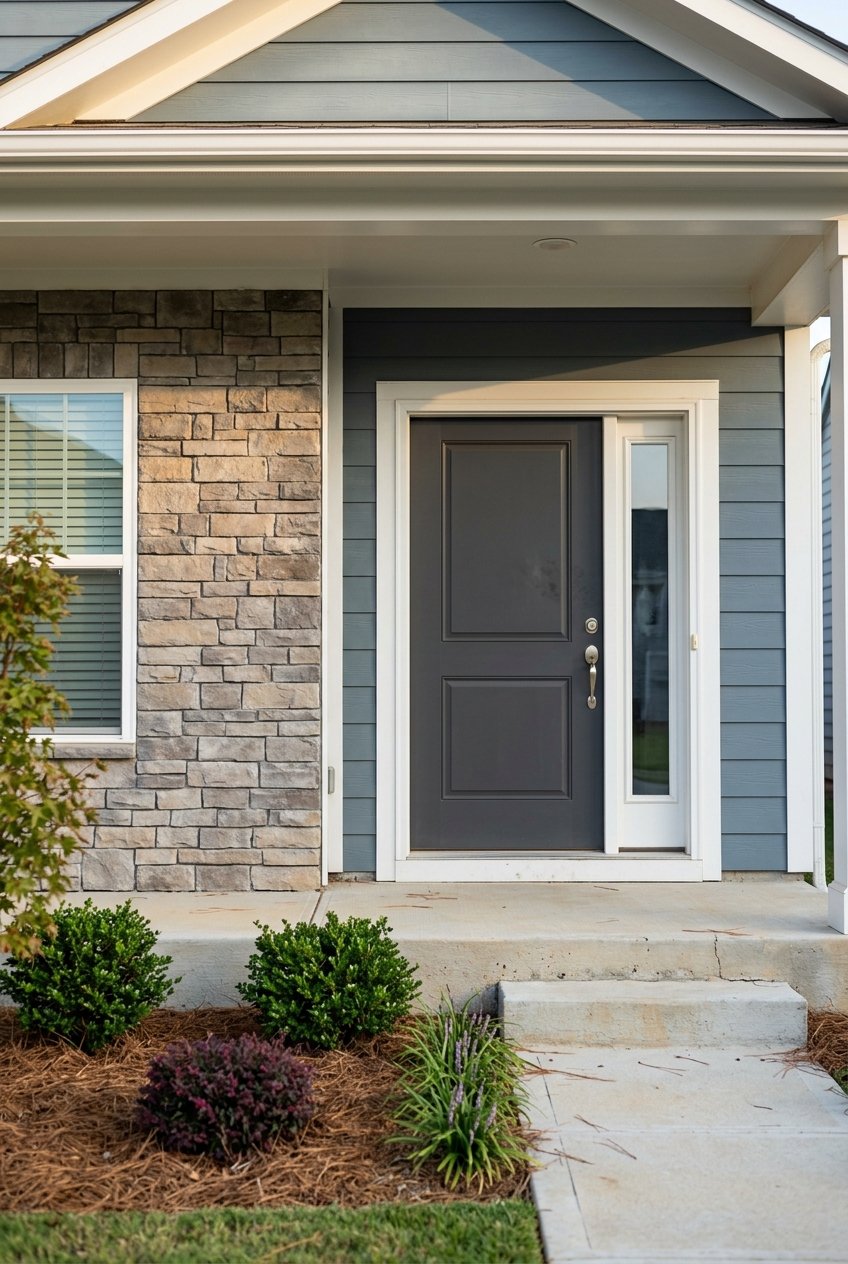
Your entry sets the tone for the whole showing. If this area feels crowded, dark, or neglected, buyers may carry that feeling into the rest of the home.
Use this checklist before photos and showings:
- Remove shoes, bags, pet gear, and mail
- Clear out anything blocking the doorway or walkway
- Clean windows and screens
- Replace burned-out light bulbs
- Use lighter window treatments if the area feels dark
- Touch up paint with a bright neutral color if needed
- Repair sticky doors, torn screens, cracked caulk, or dripping faucets nearby
NAR’s showing checklist for sellers emphasizes these simple fixes because they help your home feel cared for right away.
Living room checklist for flow and light
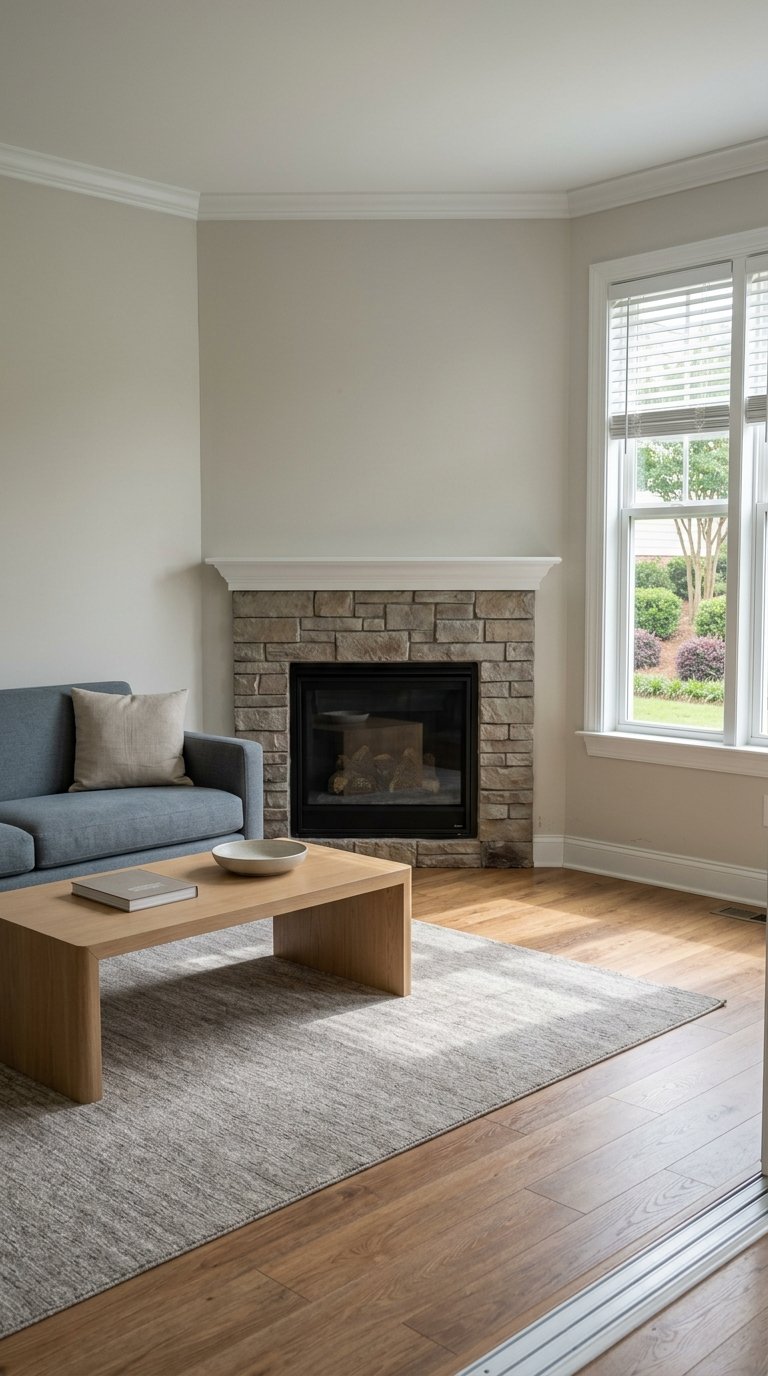
The living room is one of the most important rooms to stage. Buyers want to quickly understand how the room works and how furniture fits.
Keep the room open, bright, and easy to read. According to NAR staging guidance, this space is one of the top staging targets.
Focus on these steps:
- Remove extra furniture that makes the room feel tight
- Pack away personal photos and collections
- Keep décor simple and neutral
- Open blinds or curtains to let in natural light
- Arrange furniture to show a clear traffic path
- Hide cords, remotes, and everyday clutter
If a room feels crowded, take pieces out rather than trying to decorate around them. A slightly simpler room usually shows better than one that feels overfilled.
Kitchen checklist for a clean, cared-for look
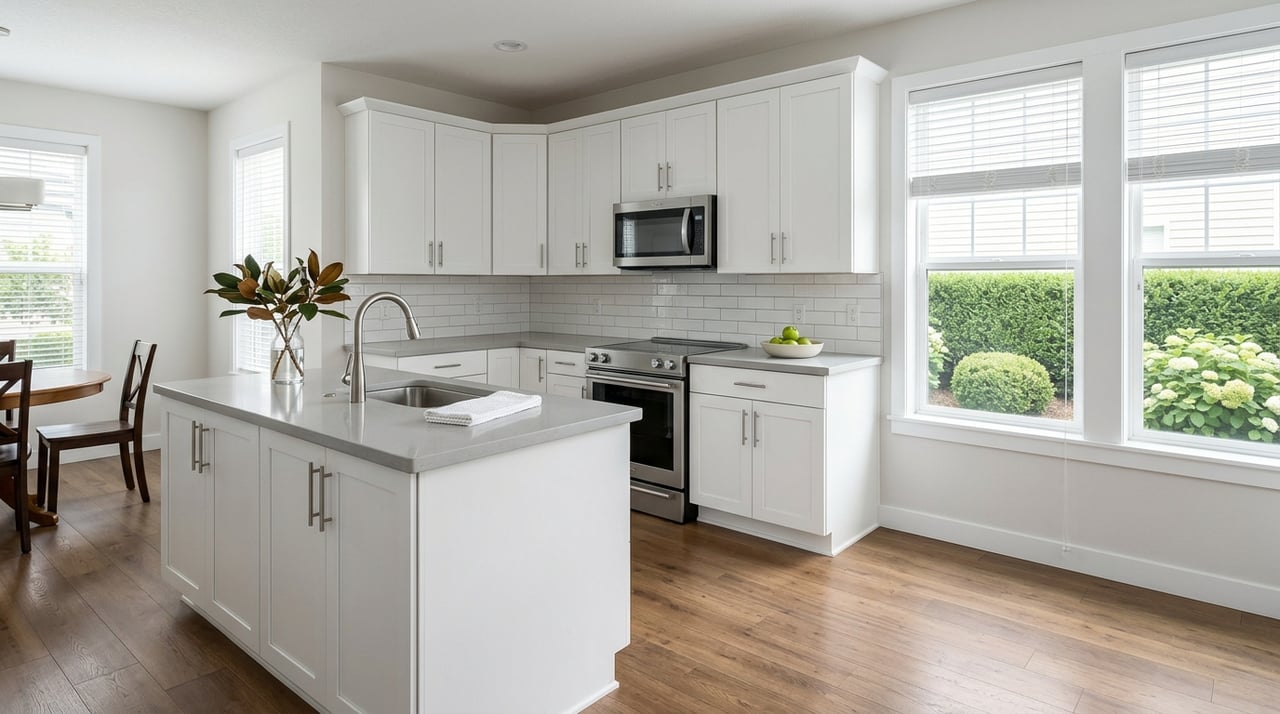
Kitchens draw a lot of attention during showings. Buyers notice cleanliness, storage, and whether the space feels easy to use.
A strong kitchen staging plan does not have to be expensive. It usually starts with cleaning and clearing surfaces so buyers can focus on the room instead of your daily routines.
Use this kitchen checklist:
- Clear countertops except for a few simple items
- Remove magnets, notes, and papers from the refrigerator
- Deep clean appliances, sinks, and floors
- Empty trash and control odors
- Put away small appliances you do not use daily
- Organize visible pantry or cabinet areas
- Make sure the dining space is obvious and tidy
NAR’s seller handout on better showings notes that a clean, uncluttered kitchen can make a meaningful difference because buyers pay close attention to it.
Dining area checklist for purpose
If your dining area is being used as storage, office overflow, or a drop zone, buyers may not understand the room’s intended use. Your goal is to make the purpose of the space obvious.
Keep it simple:
- Clear off the table except for a minimal centerpiece
- Remove extra chairs if the room feels tight
- Clean floors and light fixtures
- Make sure the pathway around the table is open
- Use neutral place settings only if they add clarity, not clutter
Primary bedroom checklist for calm appeal
The primary bedroom deserves more attention than secondary bedrooms. Buyers often want this space to feel restful, open, and easy to maintain.
NAR reports that the primary bedroom is one of the rooms where staging matters most. That means neatness, scale, and storage all count.
Your checklist:
- Make the bed neatly with simple bedding
- Clear nightstands and dressers
- Remove oversized furniture if the room feels small
- Pack away most personal items
- Hide pet beds or crates
- Organize closets so they look spacious
- Let in natural light while keeping the room soft and calm
A clean, lightly styled bedroom often feels larger and more inviting than one filled with extra furniture and décor.
Secondary bedroom checklist for simplicity
You do not need to overdo guest rooms or kids’ rooms. In fact, simpler is often better.
Aim for neutral, functional, and tidy:
- Make beds neatly
- Remove excess toys, gear, or storage bins
- Clear desks and dressers
- Minimize wall clutter and personal collections
- Organize closets and under-bed storage
If a secondary bedroom has a flexible use, you can still keep it straightforward. Buyers should be able to see the size of the room without guessing around clutter.
Bathroom checklist for freshness
Bathrooms should feel clean, bright, and dry. Even small signs of wear or moisture can make buyers worry about maintenance.
NAR recommends handling the little details that affect how a bathroom feels during a showing. In Anderson’s warmer months, moisture control matters too.
Work through this list:
- Hide toiletries, toothbrushes, and personal care items
- Replace worn towels, bath mats, or shower curtains
- Re-caulk where needed
- Fix leaks or dripping faucets
- Clean mirrors, tile, and fixtures thoroughly
- Air out the room before showings
- Wipe away damp surfaces quickly
- Use the exhaust fan or open a window when possible
According to the EPA’s mold and moisture guidance, indoor humidity should stay below 60%, ideally between 30% and 50%. Wet materials should be dried within 24 to 48 hours, which makes moisture control an important part of staging, not just maintenance.
Laundry, utility, and garage checklist
These spaces may not be glamorous, but buyers still notice them. If they look overloaded or neglected, they can make the whole home feel less maintained.
Before showings:
- Remove storage piles and unused items
- Straighten shelves and bins
- Sweep floors
- Clean around the washer and dryer
- Check for lint, dampness, or stale odors
- Make sure the dryer vents outdoors
- Declutter the garage so buyers can see floor space and function
NAR specifically includes the garage in pre-showing cleanup because it helps buyers understand storage and usability.
Outdoor checklist for curb appeal
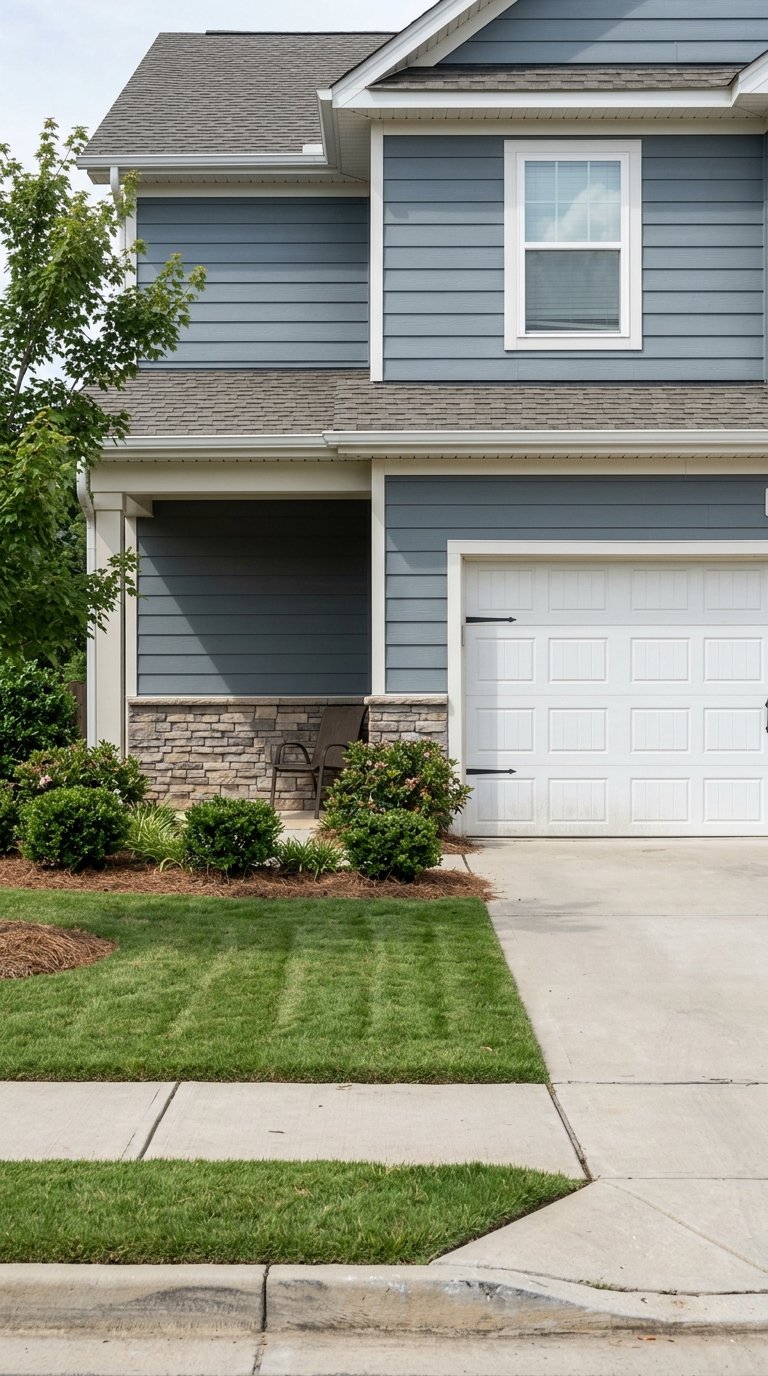
Your exterior is the first thing buyers see online and in person. A tidy yard and clean entry can make your home feel more welcoming before anyone walks inside.
Use this outdoor checklist:
- Mow and edge the lawn
- Rake leaves or yard debris
- Add fresh mulch where needed
- Trim shrubs and low branches
- Clean gutters
- Scrub porches, patios, and decks
- Place a simple pot of flowers near the front door
- Make sure walkways are clear and clean
The NAR seller showing checklist also recommends addressing repairs like sticky doors, torn screens, cracked caulk, and dripping faucets before buyers arrive.
Anderson staging tips for heat and humidity
In the Anderson area, summer conditions can affect how your home shows. Nearby Greenville-Spartanburg climate normals from the National Weather Service show average highs of 87.2°F in June and 90.3°F in July.
That means warm-weather comfort should be part of your staging plan. If a home feels stuffy, damp, or poorly ventilated, buyers may focus on discomfort instead of the features you want them to notice.
A few smart steps can help:
- Run air conditioning before showings so the home feels comfortable
- Use exhaust fans in bathrooms and laundry areas
- Watch for condensation, musty smells, or damp spots
- Keep gutters and drainage working properly
- Make sure water is directed away from the house
The EPA recommends extending drainage at least 5 feet from the foundation, which can help reduce moisture issues around the home.
Common staging mistakes to avoid
Many sellers work hard but still miss a few details that affect how buyers experience the home. The good news is that most staging mistakes are easy to fix.
Watch out for these common problems:
- Cluttered countertops and surfaces
- Too many personal photos or collections
- Blocked natural light
- Messy closets
- Pet odors or visible pet equipment
- Minor repairs left undone
- Rooms with too much furniture
- Damp or stale-smelling bathrooms and laundry spaces
When in doubt, think clean, open, light, and neutral.
How to prioritize if you are on a budget
If you need to be selective, put your time and money into the rooms buyers notice most. Based on NAR guidance, start with the living room, primary bedroom, kitchen, entry, and bathrooms.
Then focus on low-cost improvements that create a strong visual impact:
- Declutter
- Deep clean
- Paint where needed
- Improve lighting
- Handle small repairs
- Freshen landscaping
This approach can go a long way without requiring a full redesign. Often, the best results come from practical updates and a careful walk-through rather than expensive décor.
A smart next step before listing
Before your home goes live, it helps to walk through each room as if you were seeing it for the first time online. Ask yourself whether the room feels bright, open, clean, and easy to understand.
That is where construction-informed advice can make a real difference. Some homes need simple decluttering, while others benefit from touch-up repairs, moisture control, or finish updates before listing. If you want practical guidance on where to focus first, Dina Napechnik can help you create a smart staging plan for your Anderson sale.
FAQs
What rooms should Anderson home sellers stage first?
- The highest-priority rooms are usually the entry, living room, kitchen, primary bedroom, and bathrooms because those spaces tend to have the biggest impact on buyers.
Does staging really help a home sell in Anderson?
- Yes. According to NAR, 83% of buyers’ agents said staging made it easier for buyers to imagine a property as their future home, and staged photos can encourage more in-person tours.
How should Anderson sellers stage a home on a budget?
- Start with decluttering, deep cleaning, minor repairs, neutral paint, better lighting, and simple landscaping, then focus your strongest effort on the main living spaces.
What should Anderson sellers remove before showings?
- Remove personal photos, excess furniture, countertop clutter, mail, shoes, pet gear, toiletries, and anything that makes rooms feel crowded or too personalized.
Why does humidity matter when staging a home in Anderson, SC?
- Warm weather and moisture can affect how your home feels during a showing, so it is important to control humidity, air out damp areas, and address leaks or condensation before buyers visit.