Thinking about listing your Anderson home but not sure what actually happens first? That uncertainty is common, especially when market numbers seem to point in different directions and every seller wants to avoid costly missteps. The good news is that a clear plan can make the process feel far more manageable. Here’s a step-by-step look at what you can expect when listing your home in Anderson, SC. Let’s dive in.
Start With Pricing Strategy
Pricing is one of the most important decisions you will make at the start of your listing journey. In Anderson, current market snapshots vary by source, which means it is smart to treat online estimates as rough reference points instead of final answers.
Recent 2026 snapshots show a range of market signals. Zillow reported an average home value of $272,913 and a median sale price of $250,583 in late April 2026, while Redfin reported a median sale price of $263,450 in March 2026. Realtor.com described Anderson as a balanced market in March 2026, with a median listing price near $299,999.
Those differences matter because they show why a local comparative market analysis is so important. Your home’s value will depend on its condition, presentation, features, and how it compares with recent nearby sales.
A strong pricing strategy usually aims for two things at once:
- Attract serious buyers early
- Leave room for negotiation without starting too high
- Reflect current local competition
- Match the home’s condition and updates
Get Your Home Ready to List
Before your home goes live, it helps to think in terms of preparation, not just promotion. Buyers often form their first impression from photos, and that means the work you do before listing can shape the response you get.
According to 2025 staging data, 83% of buyers’ agents said staging made it easier for buyers to picture a property as a future home. The same data found that 73% said listing photos were highly or very important, while whole-home cleaning, decluttering, and curb appeal were among the most common seller improvements.
For many Anderson sellers, the most useful pre-listing tasks include:
- Decluttering each room
- Deep cleaning the home
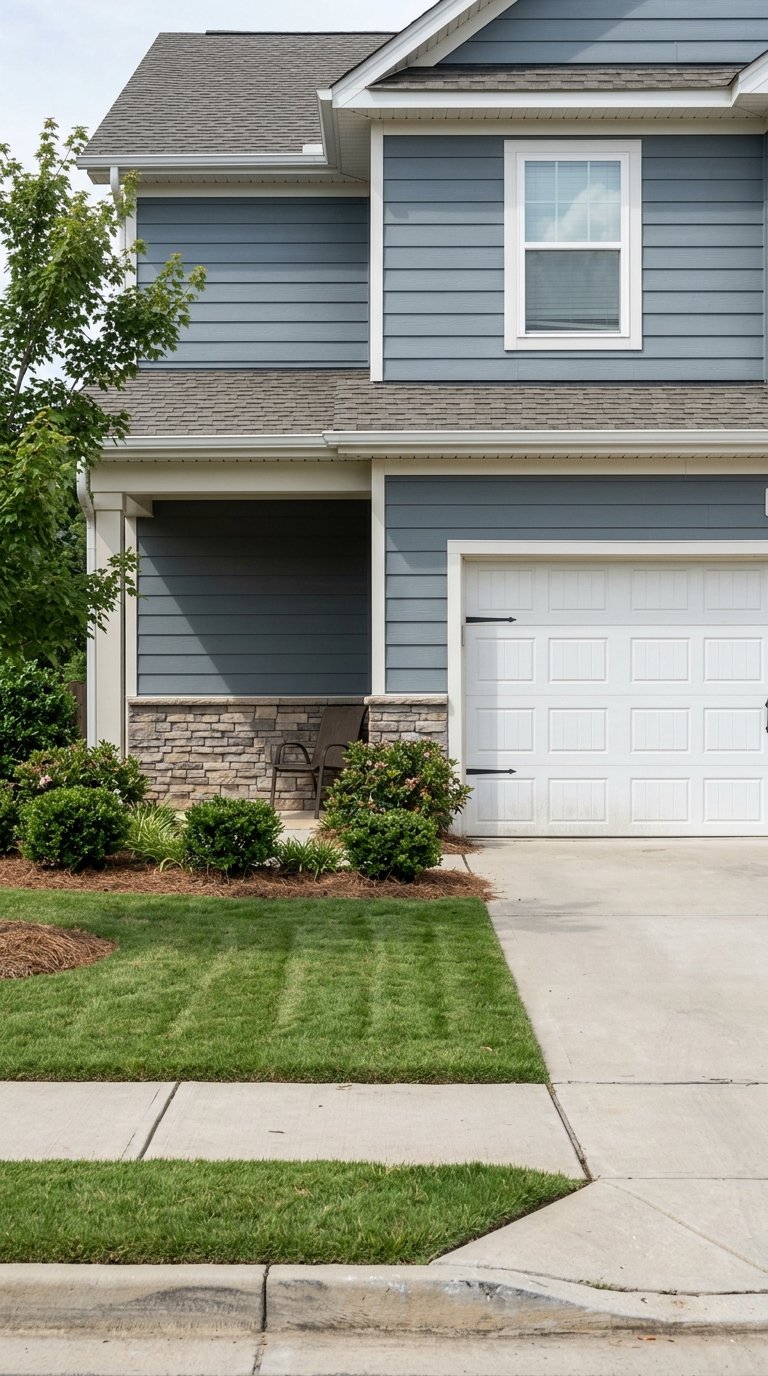
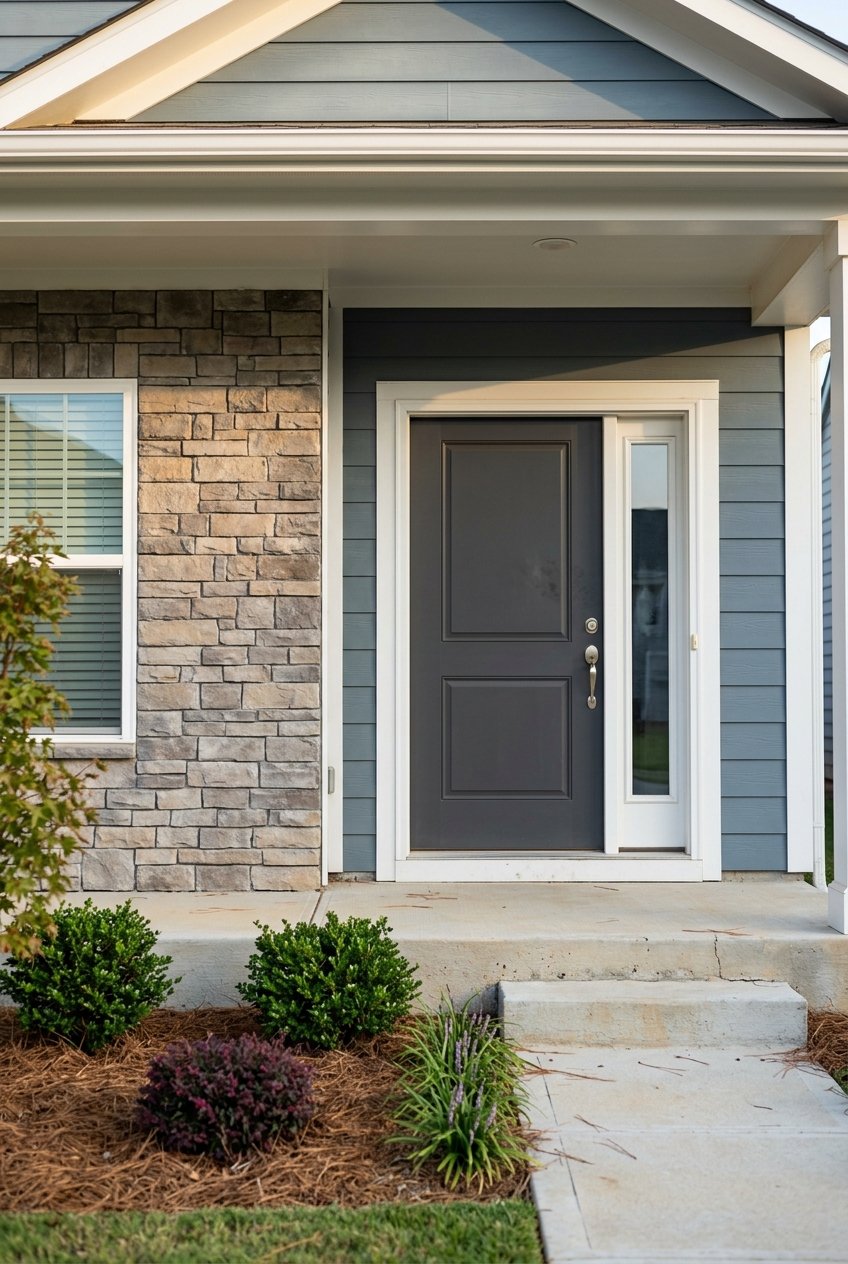
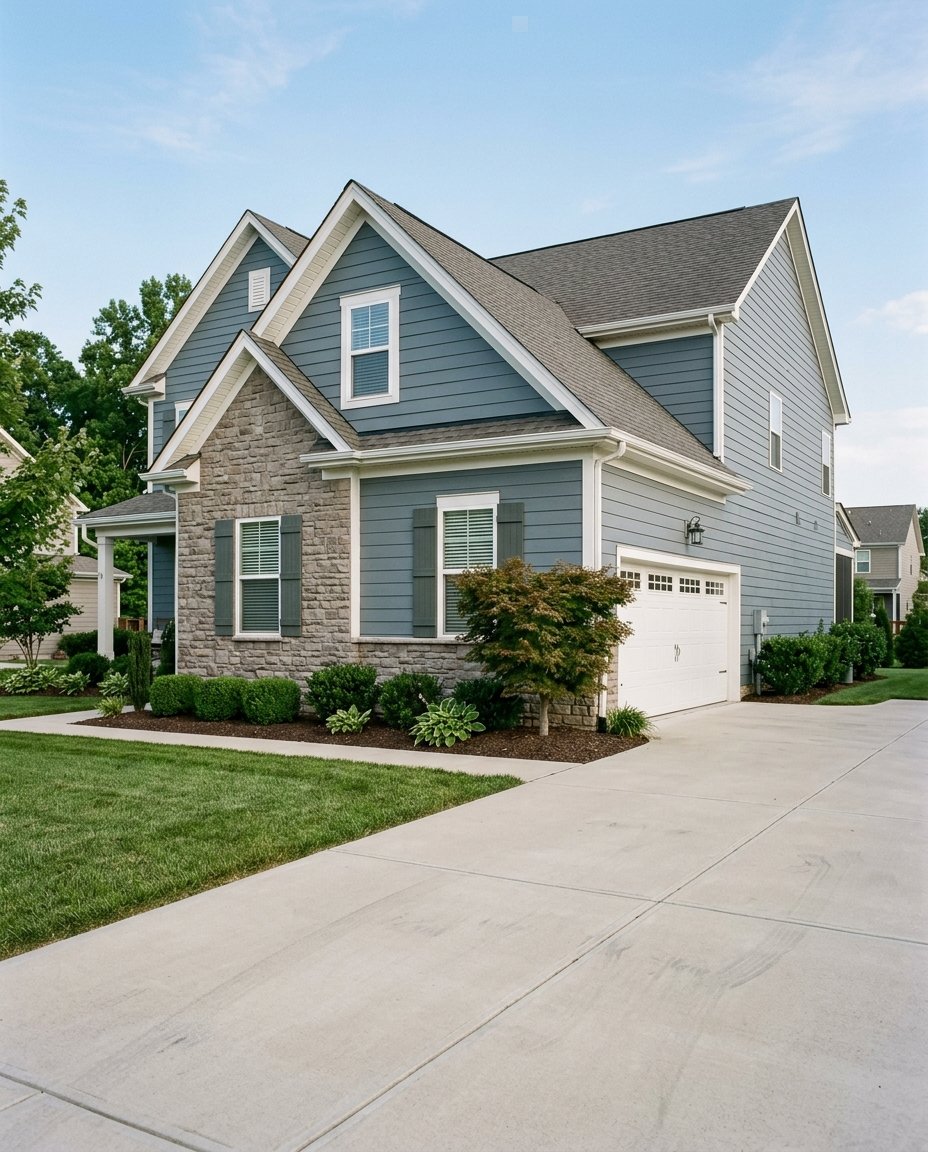
- Improving curb appeal
- Touching up paint or minor cosmetic issues
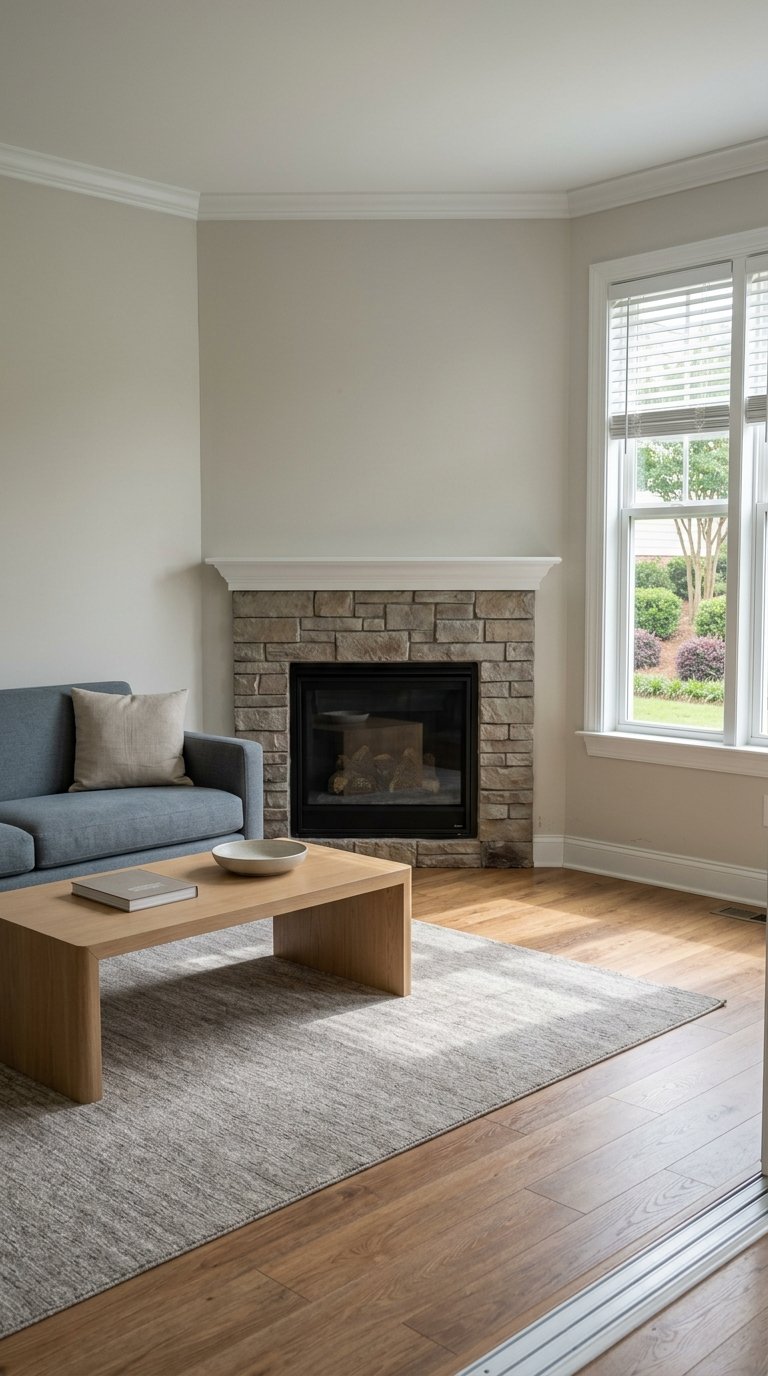
- Preparing key spaces like the living room, primary bedroom, dining room, and kitchen
This is also where hands-on advice can really help. If you are deciding what is worth fixing and what can stay as-is, practical guidance based on condition and buyer expectations can help you focus your time and budget.
Handle South Carolina Disclosures Early
In South Carolina, listing a home is not just about photos and pricing. It also involves required paperwork, and one of the biggest pieces is the Residential Property Condition Disclosure Statement.
For most residential sales involving one to four dwelling units, the owner must complete and sign this disclosure before a real estate contract is formed. The form requires you to answer fully and honestly, and to attach supporting documents or expert reports when more explanation is needed.
This step is important because it sets expectations early and helps reduce surprises later. Even if a property will be sold as-is, South Carolina law still makes disclosure obligations a key part of the listing phase in most standard transactions.
Review Taxes and Net Proceeds
One pre-listing step that sellers sometimes overlook is reviewing property taxes and how the sale may affect the numbers at closing. In Anderson County, real property tax notices are mailed October 1 and payment is due in full by January 15 of the following year.
The county also explains that most transfers become an assessable transfer of interest, or ATI. That usually means the property is reassessed at full fair market value in the tax year after transfer, and the 15% reassessment cap does not apply after a transfer.
For you as a seller, this matters for a few reasons:
- It can affect tax prorations at closing
- It helps you estimate net proceeds more accurately
- It gives you a clearer picture of what to expect before accepting an offer
Plan Photos, Marketing, and Showings
Once the home is ready, the next step is launching it in a way that creates momentum. A well-planned listing launch usually feels more organized because staging, photography, timing, and showing availability all work together.
Professional visuals matter because buyers often decide which homes to visit based on the listing itself. Staging data also showed that videos mattered to 48% of buyers’ agents, which supports the value of presenting the home clearly and completely from the start.
During this stage, your listing plan may include:
- Final staging adjustments
- Professional photography
- Scheduling the home to go live
- Preparing showing instructions
- Planning for open houses, if used
Showings also need a practical plan. Access, scheduling, and safety steps should be part of the conversation before the home hits the market, not after.
Respond to Offers and Negotiate Terms
Once your home is on the market, interest may come quickly or take time depending on your pricing, presentation, and current competition. When offers arrive, the highest price is not always the only thing that matters.
Buyers often include financing and inspection contingencies in their offers. That means the negotiation may involve more than sale price and can also include timing, repair requests, credits, and closing costs.
When reviewing an offer, it helps to look at the full picture:
- Offer price
- Financing terms
- Inspection contingencies
- Requested closing timeline
- Repair or credit expectations
A calm, organized review process can help you compare offers with more confidence and choose the one that best fits your goals.
Prepare for Inspection and Closing Steps
After you accept an offer, the transaction moves into the next phase. This is often where sellers need steady communication the most, because the buyer is usually working through financing, inspections, insurance, and title steps at the same time.
The inspection period can lead to follow-up negotiations. Depending on the results, the buyer may request repairs, ask for a credit, or seek an updated timeline.
In South Carolina, closing is also different from some other states. The South Carolina Bar explains that each phase of a real estate transaction, including preparation of legal instruments, the closing itself, and the recording of instruments, must be supervised by a licensed South Carolina attorney.
That attorney-driven process is an important local detail for Anderson sellers. If you have sold in another state before, this part may feel different than a title-company closing.
Know What Anderson County Requires at Recording
As closing gets closer, recording details matter. Anderson County requires recorded documents to be notarized, and most deeds must include a legal description and derivation clause.
The county also requires tax map reference numbers on deeds. In addition, deeds must be accompanied by an affidavit of true consideration unless the transaction is exempt.
These details may sound technical, but they can affect closing timing if something is missing. Required fees must also be paid in full before a document will be accepted for recording.
South Carolina also charges a deed recording fee. The Department of Revenue sets that fee at $1.85 for realty value of $100 to $500, plus $1.85 for each additional $500 increment.
What a Smooth Listing Process Looks Like
If you want the listing process to feel less stressful, the biggest advantage is having a clear sequence from day one. In most Anderson home sales, that sequence includes pricing, prep, disclosures, marketing, showings, negotiation, inspection management, and attorney-supervised closing.
When each step is handled at the right time, you are less likely to feel rushed or surprised. You also put your home in a better position to attract serious buyers and move from listing to closing with fewer setbacks.
If you’re getting ready to sell in Anderson and want practical, hands-on guidance from pricing through closing, Dina Napechnik can help you build a smart plan for your home sale.
FAQs
What is the first step in listing a home in Anderson, SC?
- The first step is usually reviewing recent nearby sales and creating a local pricing strategy, since Anderson market data can vary by source and your home’s condition and presentation will strongly affect value.
What disclosures are required when selling a home in Anderson, SC?
- For most one-to-four-unit residential sales in South Carolina, sellers must complete and sign a Residential Property Condition Disclosure Statement before a real estate contract is formed.
How important are staging and photos when listing an Anderson home?
- They are very important, since 2025 staging data found that 83% of buyers’ agents said staging helped buyers picture the home, and 73% said listing photos were highly or very important.
What happens after I accept an offer on my Anderson home?
- After acceptance, the buyer typically moves forward with financing, inspection, insurance, and title steps, and you may still need to negotiate repairs, credits, or timing changes.
Are real estate closings in Anderson, SC handled by an attorney?
- Yes, South Carolina real estate closings are attorney-supervised in practice, including the preparation of legal instruments, the closing, and the recording process.
What county details can affect an Anderson home closing?
- Anderson County recording requirements like notarization, legal descriptions, derivation clauses, tax map reference numbers, affidavits of true consideration, and payment of recording fees can all affect timing at closing.