Trying to choose between a brand-new subdivision and an older home in Anderson? You are not alone. Many buyers love the idea of modern layouts and lower maintenance, but they also do not want to overlook the charm and established feel of older parts of the city. This guide will help you compare both options in a practical way so you can focus on what fits your budget, lifestyle, and comfort level best. Let’s dive in.
Anderson offers two different housing experiences
In Anderson, the contrast is clear. The City of Anderson describes downtown as having older homes on tree-lined streets, while suburban areas include dozens of newer single-family developments.
That means your home search may feel like choosing between two very different lifestyles. One path often leads to established in-town settings with older architecture and mature streetscapes. The other usually points to newer communities with current floor plans, newer systems, and neighborhood amenities.
What newer subdivisions in Anderson usually offer
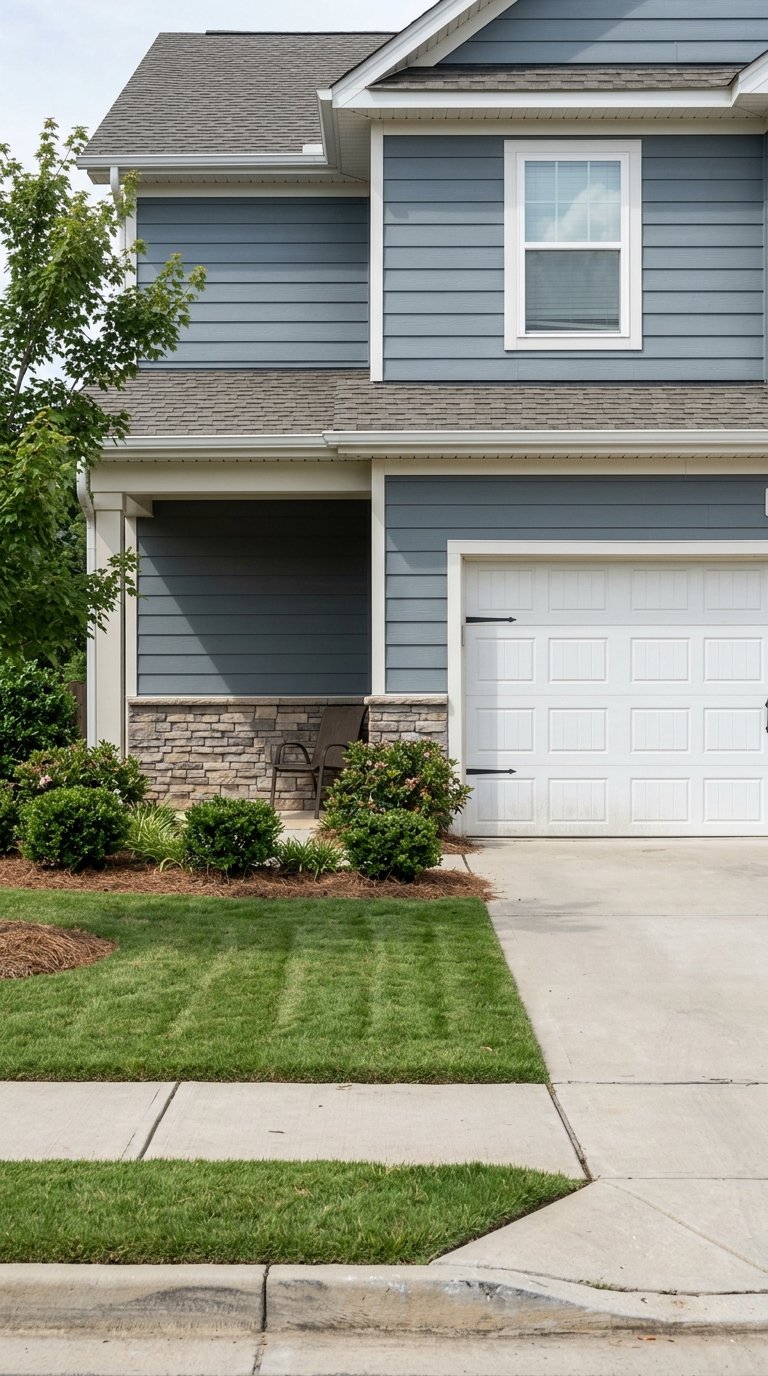
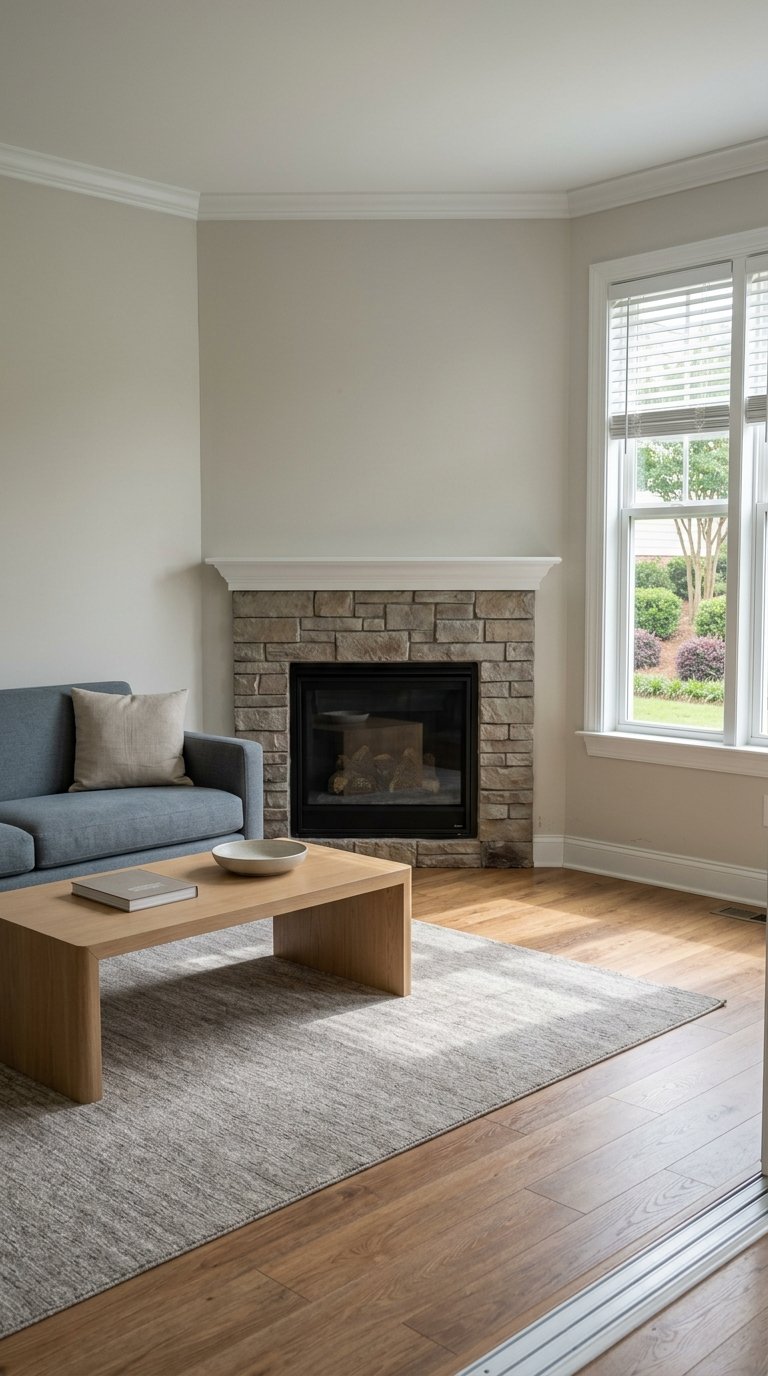
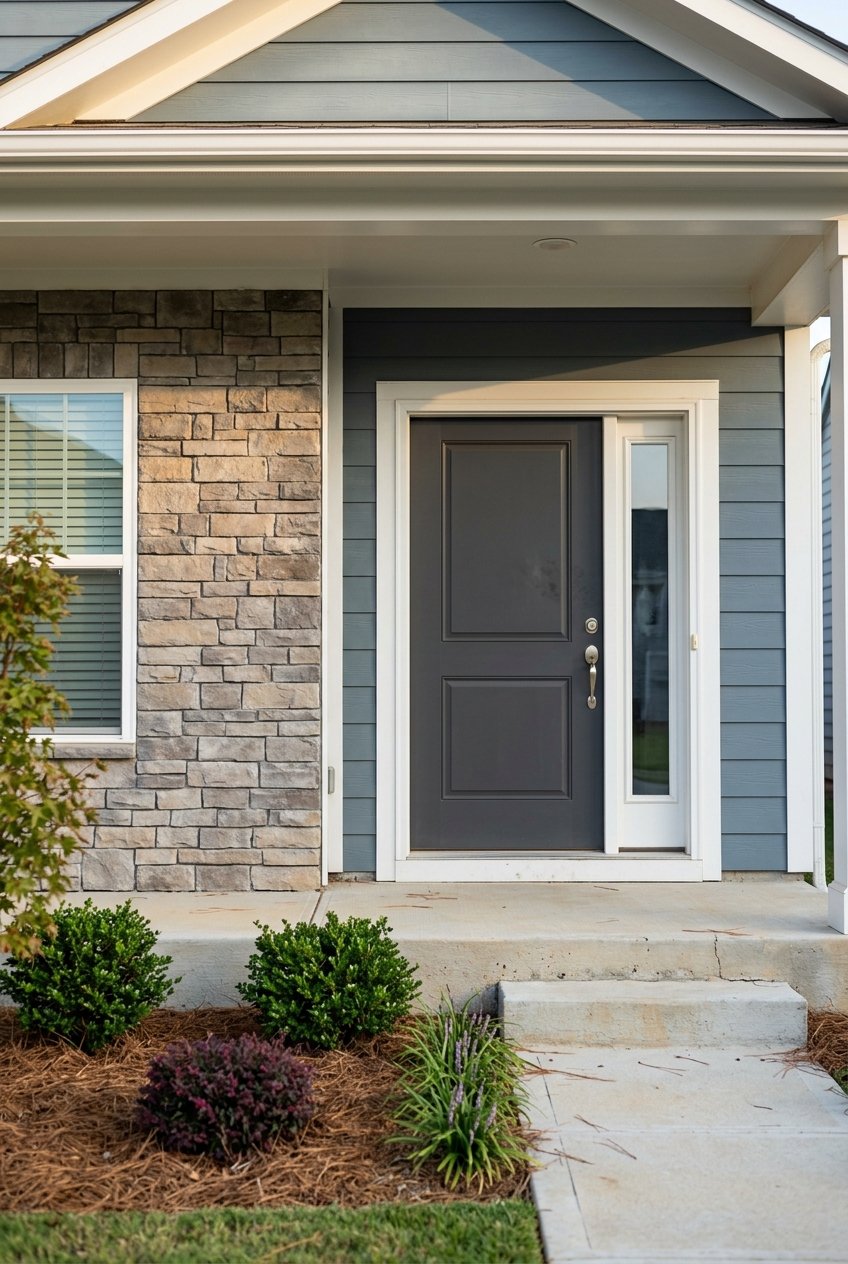
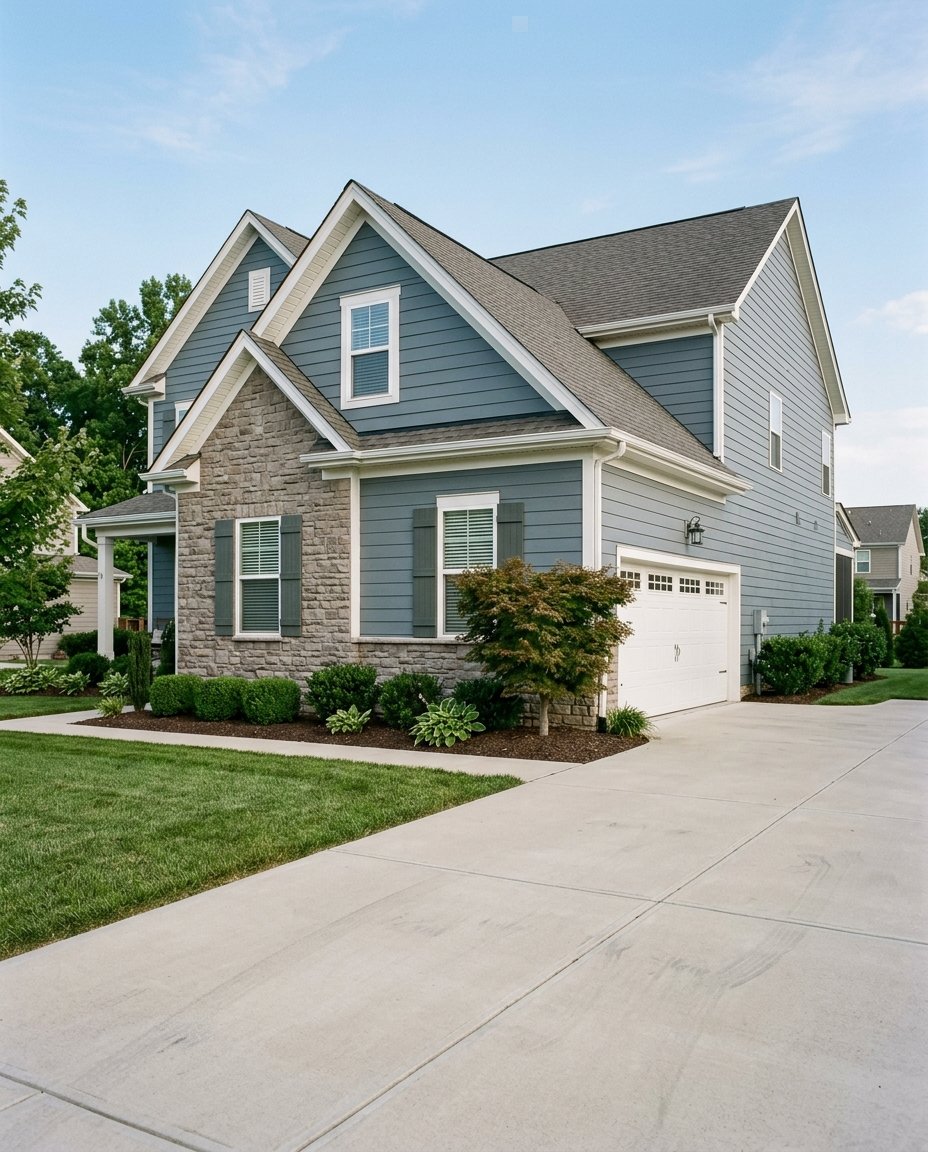
Newer subdivisions in Anderson tend to appeal to buyers who want a more move-in-ready experience. Many current communities feature open layouts, newer materials, and floor plans built around how people live today.
You will often see ranch and two-story homes with open kitchen and family room areas, flex rooms, lofts, main-floor primary suites, and two- or three-car garages. Some Anderson-area new homes also highlight smart features like video doorbells, smart deadbolts, and smart thermostats.
Communities can vary quite a bit. For example, Spring Ridge advertises one- and two-story homes with three to five bedrooms, up to three bathrooms, two-car garages, and amenities like a pool, cabana, pickleball courts, landscaped yards, and smart-home technology.
Other communities offer a different feel. Harriett Circle includes homes from about 2,028 to 3,269 square feet, with three to five bedrooms, up to 4.5 bathrooms, and amenities such as a playground and dog park. Timberland Grove shows that newer homes do not always mean smaller lots, with wooded homesites of one-half acre or more and floor plans ranging from about 1,600 to more than 4,300 square feet.
Why buyers often like newer homes
For many buyers, the biggest advantage is predictability. With newer construction, you are more likely to get current finishes, modern layouts, and fewer immediate repair projects.
Energy efficiency is another major plus. The U.S. Department of Energy notes that adding insulation during construction is more cost-effective than retrofitting later, and proper air sealing is a key part of an efficient home shell. ENERGY STAR says certified homes are at least 10 percent more energy efficient than code-built homes and average about 20 percent better.
That can translate into a more comfortable home and potentially lower utility costs. If you want a home that feels newer from day one, this can be a strong selling point.
What to watch for in newer subdivisions
Newer does not automatically mean better for every buyer. Some communities include HOA dues and rules, which can affect how the neighborhood is maintained and what changes you can make to your property.
It is also important to compare price points carefully. Anderson’s median value for owner-occupied homes is $218,200, according to Census QuickFacts for the city. By comparison, current new-build examples in Anderson are being marketed from the low $300,000s into the $500,000s and above.
That gap matters if you are trying to stay within a certain monthly payment or keep cash reserves after closing. A newer subdivision may offer convenience and amenities, but you will want to weigh that against your overall financial comfort.
What older Anderson homes usually offer
Older homes in Anderson often attract buyers who care most about character and setting. The city specifically points to older homes on tree-lined streets downtown, and Anderson’s historic district map highlights several long-established areas, including Anderson, Boulevard, Downtown, Westside, and North Anderson.
These homes can offer details and surroundings that feel harder to replicate in newer developments. Mature trees, established streets, and in-town locations can create a strong sense of place.
For some buyers, that atmosphere is the whole reason to choose an older home. If you value charm and a more established setting, this side of the market may be worth a close look.
The tradeoffs with older homes
Older homes can be rewarding, but they often come with more unknowns. Systems, windows, insulation, and other components may need updates to match the comfort and efficiency of newer construction.
The Department of Energy says heat gain and loss through windows accounts for 25 percent to 30 percent of residential heating and cooling energy use. That means older windows can have a real impact on comfort and monthly utility bills.
Some homes may also be located in historic districts. In Anderson’s Historic Overlay District, the Board of Architectural Review has authority over exterior changes in designated zones. If you are considering cosmetic or structural exterior updates, those rules can affect what is allowed.
Newer subdivisions vs older homes at a glance
Here is a simple side-by-side comparison to help you think through the decision:
| Factor | Newer Subdivisions | Older Homes |
|---|---|---|
| Layout | Open floor plans, flex spaces, larger primary suites | More varied layouts, sometimes more segmented rooms |
| Maintenance | Often lower near-term maintenance | More likely to need updates or repairs |
| Energy Efficiency | Usually stronger from the start | May need upgrades to improve comfort and efficiency |
| Lot and Setting | Can include amenities and suburban settings, with lot sizes that vary | Often established in-town settings with mature trees |
| Rules and Oversight | May include HOA dues and restrictions | Historic district rules may affect exterior changes in some areas |
| Price Range | Common current examples start above the city median home value | May offer a wider range depending on age, condition, and location |
How Anderson regulations shape your choice
One overlooked point is how much planning goes into newer communities. In Anderson, subdivision plans are reviewed at the city and county levels. The City of Anderson Planning Commission reviews and approves subdivision plans, the city Engineering Department reviews residential subdivisions and development plans, and Anderson County Development Standards reviews residential projects and issues permits.
For buyers, that means newer subdivisions are being shaped by current municipal and county standards before homes reach the market. That does not remove the need for due diligence, but it does help explain why many new communities feel more standardized in layout, infrastructure, and delivery.
Older homes come from a different era. That can bring charm, but it can also mean living with design choices and building components that were normal when the home was built, not necessarily what buyers expect today.
Which option fits your priorities best?
If you want low near-term maintenance, modern design, energy efficiency, and community amenities, a newer subdivision will often be the cleaner fit. You may pay more upfront, but you could gain convenience, newer systems, and less immediate project work.
If you want character, mature trees, and an established in-town feel, an older home may suit you better. You just need to be comfortable with the possibility of repairs, updates, and, in some areas, added restrictions on exterior changes.
This is where a practical, house-by-house review matters. Two homes with similar prices can deliver very different long-term value depending on condition, lot size, layout, and likely maintenance needs.
Smart questions to ask before you decide
Before you choose between a newer subdivision and an older home in Anderson, ask yourself:
- Do you want a move-in-ready home, or are you open to updates?
- How important are energy efficiency and newer systems?
- Would you use neighborhood amenities like a pool, playground, dog park, or pickleball courts?
- Are HOA dues or neighborhood rules a concern for you?
- Would you prefer a tree-lined, established setting over a newer suburban layout?
- Are you comfortable with possible renovation costs or historic-district review for exterior changes?
- How does the home’s price compare with your full monthly budget and savings goals?
The right answer is not the same for every buyer. It depends on how you want to live, what kind of upkeep you want to take on, and where you feel most at home.
If you want help comparing newer subdivisions and older homes in Anderson, Dina Napechnik can help you weigh layout, condition, pricing, and long-term practicality so you can move forward with confidence.
FAQs
What are newer subdivisions like in Anderson, SC?
- Newer Anderson subdivisions often feature open floor plans, smart-home features, newer systems, and amenities such as pools, playgrounds, dog parks, or pickleball courts, depending on the community.
What are the benefits of buying an older home in Anderson, SC?
- Older homes in Anderson can offer character, mature trees, established streets, and in-town locations that appeal to buyers who want a more traditional neighborhood setting.
Are newer homes in Anderson more energy efficient than older homes?
- In many cases, yes. Newer homes often benefit from better insulation, air sealing, and modern construction practices, while older homes may need upgrades to reach a similar level of efficiency.
Do newer subdivisions in Anderson have HOA rules?
- Some do. Current community examples in Anderson show that certain newer neighborhoods include HOA governance, so it is important to review dues, restrictions, and what is covered.
Are there historic district rules for older homes in Anderson?
- Yes, in designated historic overlay areas, exterior changes may fall under review by the Board of Architectural Review, which can affect renovation plans.
Is new construction in Anderson more expensive than older homes?
- Current examples suggest that many new homes in Anderson are priced above the city’s median owner-occupied home value of $218,200, so new construction can come with a higher price point depending on the community and features.