Worried a buyer’s inspection could uncover issues that slow down your sale? In Greenville, that concern is understandable. Between heavy annual rainfall, periodic flood and wind events, and the area’s high radon potential, even well-kept homes can have maintenance items that matter. The good news is that a smoother inspection usually comes down to smart prep, honest documentation, and a few high-value fixes. Let’s dive in.
Focus on Function First
When buyers inspect a home in South Carolina, they usually look closely at the big systems that affect safety, function, and future costs. That often includes the roof, foundation, floors, plumbing, electrical, heating and cooling, and signs of wood-destroying insects or environmental concerns such as radon.
That lines up with South Carolina’s residential property condition disclosure requirements. For you as a seller, that means your goal is not cosmetic perfection. It is far more important to address obvious functional defects, keep records of repairs, and make sure known issues are disclosed properly.
Start With Moisture and Drainage
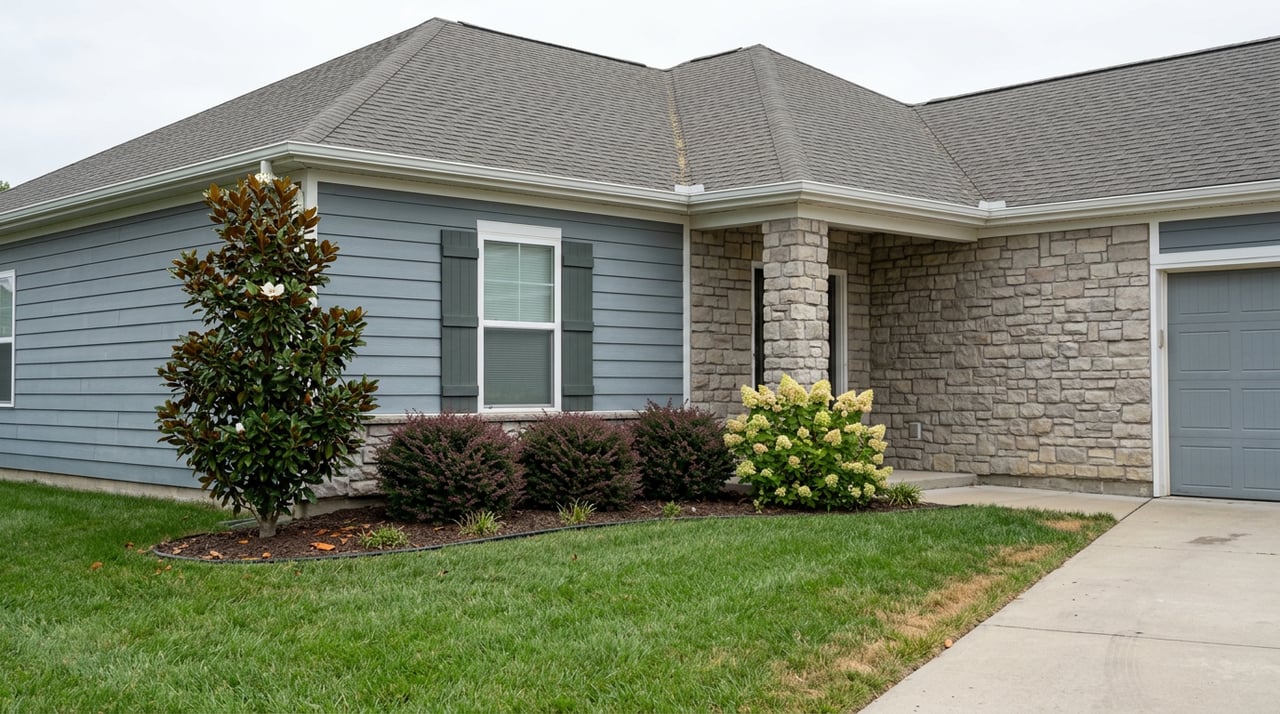
In Greenville, inspection prep should start outside. Greenville County’s long-term climate data shows about 50.73 inches of annual precipitation each year, along with a history of flood and wind events. That makes water management one of the most important parts of preparing your home.
Begin with your gutters and downspouts. Clean them out, make sure they are attached properly, and confirm that water drains away from the foundation instead of pooling near the house.
Next, take a close look at the roof. Missing shingles, damaged flashing, and visible leaks can quickly raise concerns during an inspection. Even a small issue can suggest deferred maintenance to a buyer.
Walk around your foundation and crawl-space entry points after rain if possible. Look for damp soil, standing water, staining, or musty odors. Moisture problems are worth addressing early because controlling moisture is also one of the best ways to reduce mold concerns.
Exterior Items to Check
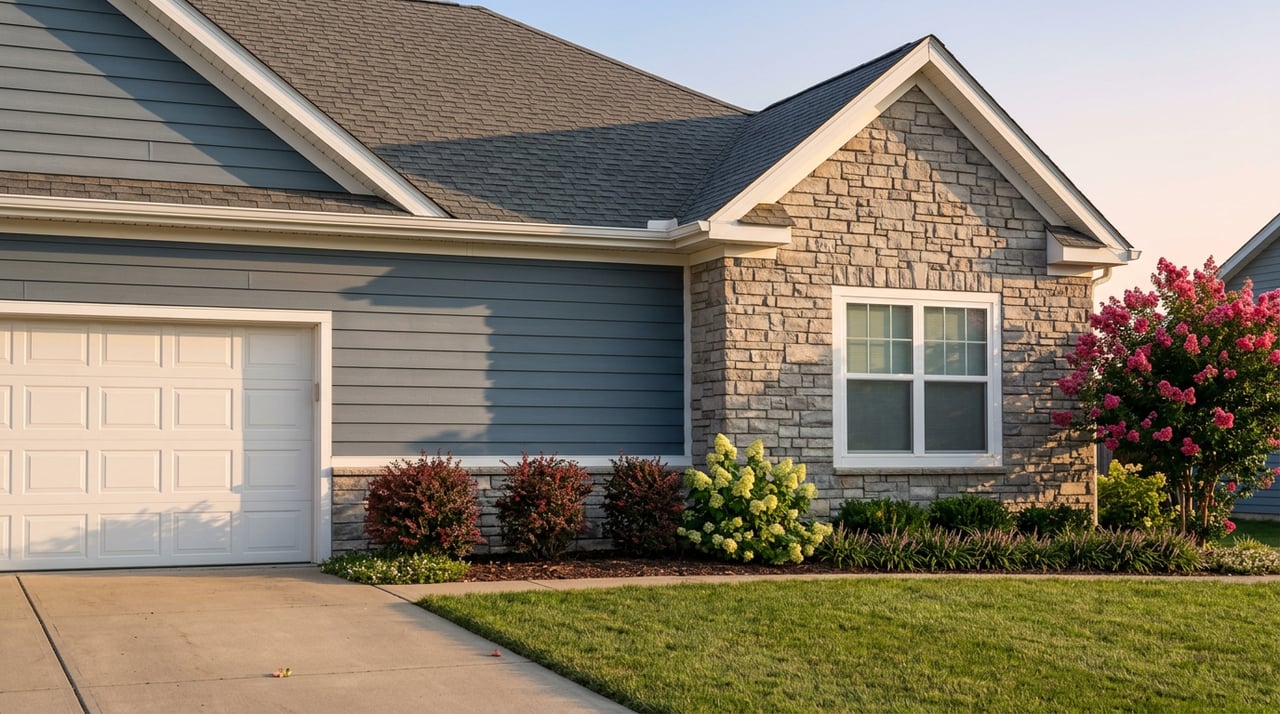
- Clean gutters and downspouts
- Extend drainage away from the foundation
- Repair roof leaks, missing shingles, or flashing damage
- Check low spots in the yard where water collects
- Look for damp areas near crawl spaces and foundation walls
- Replace or repair visibly deteriorated exterior materials
If the exterior shows clear deterioration, simple maintenance can go a long way. Greenville County regulates deteriorated property conditions, so basic repairs may help reduce both buyer objections and potential county attention.
Make HVAC and Plumbing Easy Wins
Mechanical systems often create stress during inspections, but many common issues are manageable. A little preventive maintenance can make your home feel more cared for and reduce easy red flags.
Schedule an HVAC tune-up before the inspection if it has been a while. Replace the air filter and make sure the condensate drain is clear. A clogged drain can lead to water damage, and a dirty filter can affect how the system performs.
Then move on to plumbing. Check under sinks, around toilets, at supply lines, and near visible pipe connections for slow drips or water stains. Small leaks may seem minor, but they can suggest bigger upkeep issues if left unresolved.
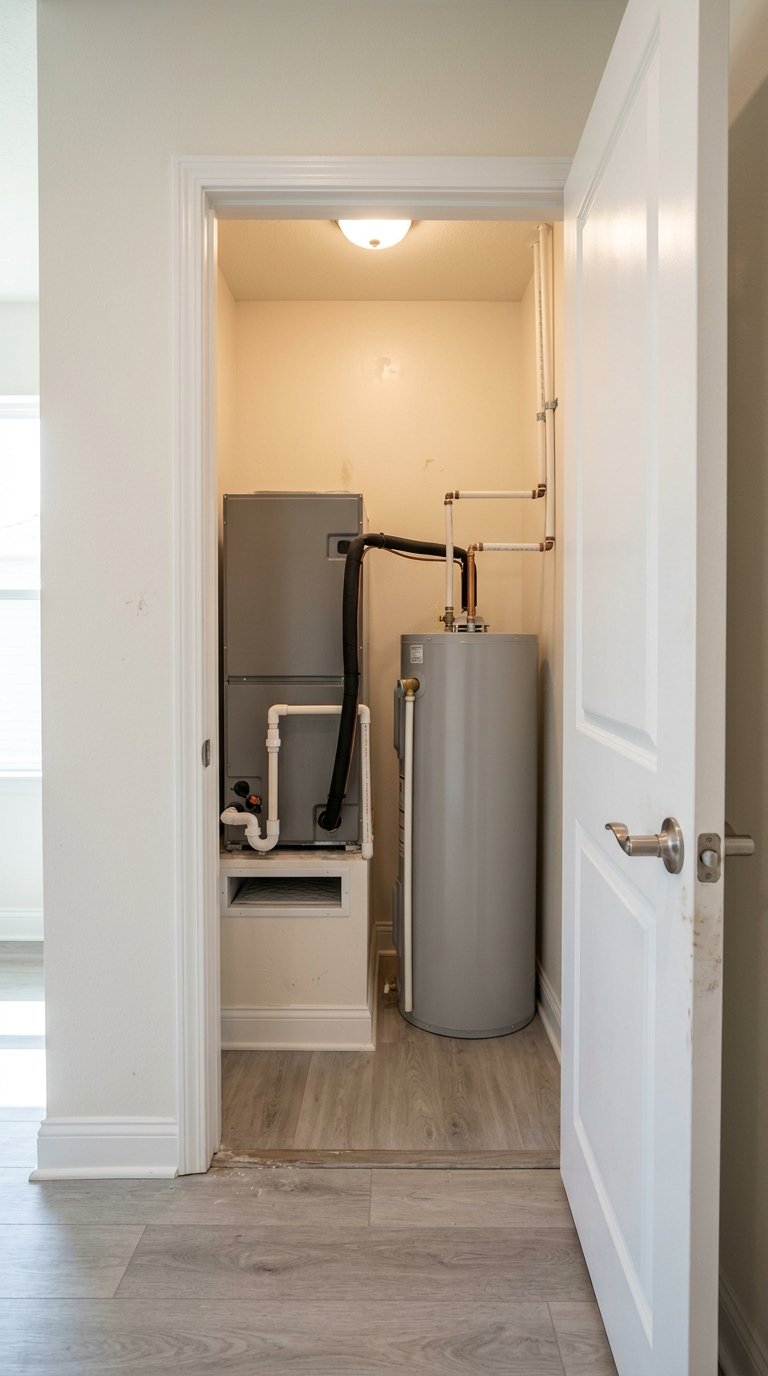
The water heater also deserves attention. Look for leaks, corrosion, or loose connections. If appropriate, have it serviced and flushed to remove sediment buildup.
Mechanical Prep Checklist
- Schedule HVAC service
- Replace the HVAC filter
- Clear the condensate drain
- Fix visible plumbing leaks
- Check toilets and faucets for drips
- Inspect the water heater for leaks or corrosion
- Gather service receipts for recent maintenance
Improve Access Before the Inspector Arrives
A smooth inspection is not only about repairs. It is also about visibility. If an inspector cannot access key parts of the home, that can create more questions, not fewer.
Make sure the attic, crawl space, electrical panel, water heater, HVAC equipment, and any repair areas are easy to reach. Move stored boxes, furniture, or other items that block access.
This matters in South Carolina because wood infestation reporting is limited to visible and accessible areas. If important areas are blocked, you risk leaving room for uncertainty.
Organize Disclosures and Repair Records
Good documentation can make a big difference in how buyers interpret your home’s condition. A repair that is complete, documented, and easy to explain often feels less intimidating than a mystery.
In South Carolina, sellers generally must provide a written residential property disclosure before the contract is signed, unless an exemption applies. The form covers a wide range of items, including the roof, foundation, basement, plumbing, electrical, heating and cooling, wood-destroying insect issues, and environmental items such as radon and lead-based paint.
If you learn that something on your disclosure has become materially inaccurate, the law requires a prompt correction or reasonable repairs before closing. In other words, staying current matters.
Documents to Gather
- Residential property disclosure materials
- Paid invoices for repairs or maintenance
- Permits for qualifying work
- HVAC and plumbing service records
- Roof repair receipts
- Wood infestation reports and repair invoices
- Prior radon test results
- Radon mitigation records, if applicable
If work was done on the home, keep permit information when required. Greenville County requires permits for items such as structural changes, additions, electrical upgrades, plumbing fixture additions or relocations, and mechanical equipment change-outs.
Understand What “As-Is” Really Means
Some sellers assume an as-is sale means they do not need to worry about repairs or disclosures. That is not how it works.
South Carolina allows parties to agree to an as-is sale, but that does not remove the seller’s duty to disclose known issues. As-is is more about negotiation posture and pricing than avoiding responsibility.
That is why the best approach is still to fix clear problems when it makes sense, disclose known defects honestly, and keep records organized. Buyers are often more comfortable with a home that has had straightforward issues addressed than with one that feels uncertain.
Pay Attention to Radon in Greenville
Greenville County is in EPA Zone 1 for radon potential, which is the highest category. That does not mean every home has a radon issue, but it does mean radon is a reasonable topic for buyers to ask about.
If you have had your home tested before, keep those results available. If your home has a radon mitigation system, have any related records ready as well.
Documented information is usually more helpful than verbal reassurance. Since radon cannot be confirmed without testing, good records can help reduce confusion during the transaction.
Be Careful With Older Homes and Lead Paint
If your home was built before 1978, lead-based paint rules may apply. Sellers of pre-1978 homes are required to disclose known lead-based paint and known lead hazards before the sale, provide the required pamphlet, and give buyers the opportunity to conduct a lead inspection or risk assessment.
If you are doing paid repair or painting work that disturbs painted surfaces in an older home, use certified lead-safe contractors. That helps you prepare the home without creating new concerns.
Know When to Call a Professional
Some issues should not be handled with a quick patch job. If you notice recurring moisture, visible mold, active leaks, sagging materials, electrical concerns, or signs of termites or other wood-destroying insects, it is smart to bring in a qualified professional.
This is especially true if the problem affects structure, mechanical systems, or health-related environmental concerns. Cosmetic cover-ups rarely help during an inspection, and they can make buyer trust harder to maintain.
A qualified contractor, plumber, HVAC technician, electrician, or pest professional can help you address the issue correctly and create documentation you can share if needed.
A Practical Greenville Inspection Plan
If you want the simplest path forward, think in four steps. Keep water out, service the systems, make the home accessible, and document what you know.
That approach fits Greenville’s climate realities and South Carolina’s disclosure framework. It also helps you focus your time and money where it matters most.
Here is a simple order of operations:
- Walk the exterior and fix drainage issues
- Repair visible leaks and roof problems
- Service HVAC and check plumbing fixtures
- Clear access to attic, crawl space, and mechanicals
- Gather invoices, permits, and prior reports
- Review disclosures for accuracy
- Call in pros for anything recurring or significant
A smooth inspection does not require a perfect house. It requires a home that feels maintained, accessible, and honestly presented. If you prepare with that mindset, you can reduce surprises and move toward closing with more confidence.
If you are getting ready to sell in Greenville and want practical guidance on what to fix, what to document, and how to present your home well, Dina Napechnik can help you plan your next steps with a hands-on, local approach.
FAQs
What should sellers prioritize before a home inspection in Greenville?
- Focus on moisture control, roof and drainage repairs, HVAC and plumbing maintenance, easy access to major systems, and accurate disclosures.
Does an as-is home sale in South Carolina remove disclosure duties?
- No. South Carolina allows as-is sales, but sellers still must disclose known issues as required by law.
Why does radon matter for homes in Greenville?
- Greenville County is in a high radon potential area, so prior test results or mitigation records can be helpful if buyers have questions.
What documents should Greenville sellers gather before an inspection?
- Gather repair invoices, permits for qualifying work, HVAC and plumbing service records, wood infestation reports, and any prior radon records.
Should sellers fix cosmetic issues before a Greenville inspection?
- Cosmetic touch-ups can help presentation, but functional repairs and honest documentation usually matter more during inspection preparation.
When should a Greenville seller call a professional before an inspection?
- Call a professional if you find recurring moisture, mold, active leaks, sagging materials, electrical concerns, or signs of wood-destroying insects.