Buying a brand-new home in Greenville can feel exciting right up until the paperwork starts piling up. If English is not the language you are most comfortable using for financial or legal details, the process can feel even more stressful. The good news is that with the right support, you can make informed decisions, avoid common mistakes, and move forward with more confidence. Let’s dive in.
Why language support matters in new construction
New construction is not just about picking a floor plan and waiting for the home to be finished. You also have to review deadlines, upgrade choices, warranty details, financing terms, and closing documents that can affect your money and legal obligations.
Language support matters most when a missed word can change the outcome of your purchase. That includes the purchase agreement, change orders, option sheets, loan documents, closing disclosures, warranty terms, and wire instructions. If you are more comfortable in Russian or Ukrainian, having bilingual help can make those moments much clearer.
Greenville new construction basics
Greenville County continues to see steady new-home building activity. The county's permit report shows 2,344 new-home permits in 2024 and 2,228 in 2025, which reflects an active market for buyers considering a newly built home.
Local oversight also matters. Greenville County says new-construction permits go through its Permit Center and eTrakit system, with a current one-to-two-week processing window, and county inspectors enforce adopted building, residential, plumbing, mechanical, fuel gas, fire, energy-conservation, and electrical codes.
South Carolina also requires current licensure or registration for residential building, specialty contracting, and home-inspecting work. Statewide building codes were adopted effective January 1, 2023, so local projects are reviewed under that code framework.
What bilingual representation can help you do
Bilingual representation can help you better understand the choices you are making throughout the purchase. That does not replace the work of licensed lenders or South Carolina closing attorneys, but it can help you follow the process, ask stronger questions, and spot issues earlier.
For many buyers, the biggest value is clarity. You want to know what you are agreeing to, what is included in the price, when decisions are due, and what happens if construction timelines change.
A bilingual agent can be especially helpful with:
- Reviewing the builder contract at a high level before you sign
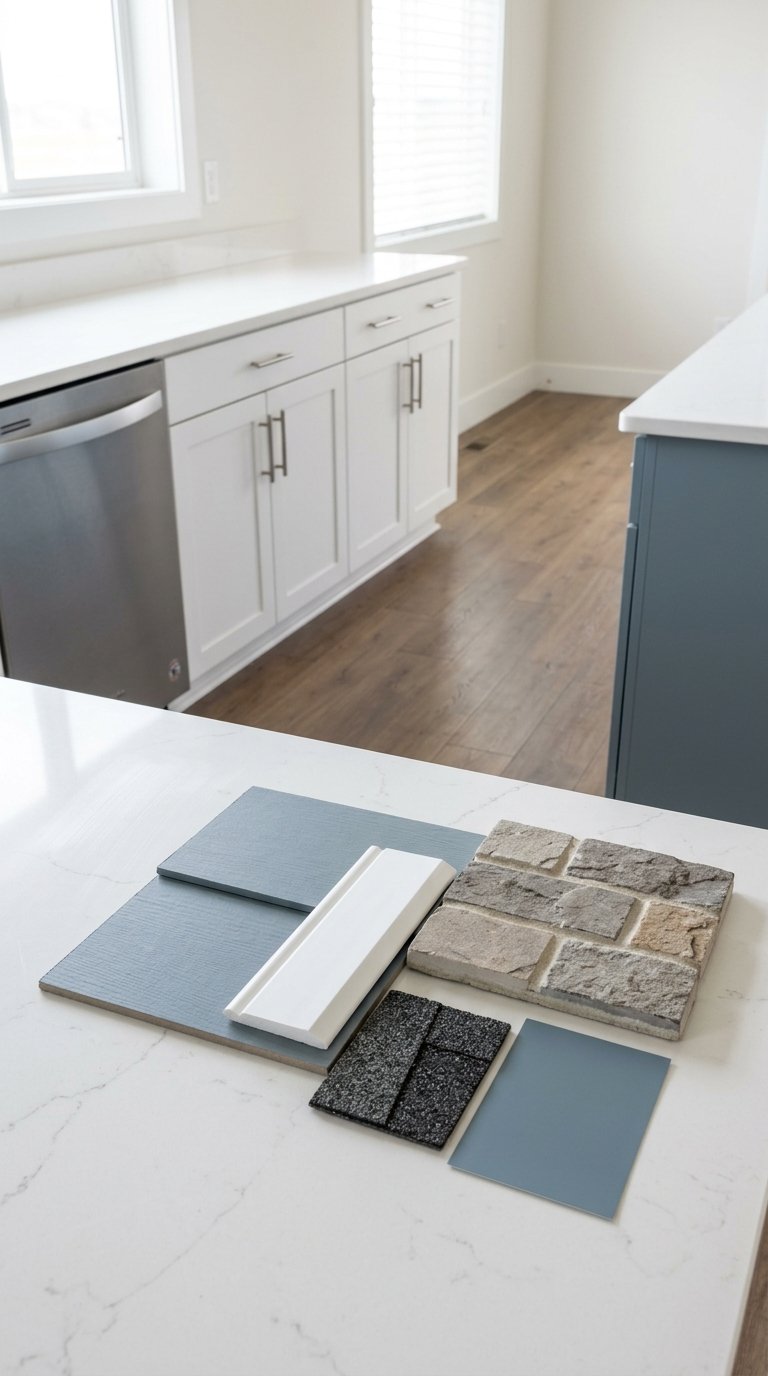
- Explaining upgrade and finish selections in plain language
- Tracking deadlines for deposits, design choices, and inspections
- Helping you compare translated summaries with English documents
- Flagging questions for your lender, builder, or closing attorney
- Slowing down fast-moving conversations so you can make informed decisions
Start with your first builder visit
If you plan to use an agent, bring that agent with you from the beginning. Freddie Mac notes that builders may require the buyer's agent to accompany the buyer on the first visit, which makes your first stop more important than many buyers realize.
That first visit is also a key moment for language support. If you are touring model homes, discussing incentives, or reviewing community information, you want someone with you who can help keep the conversation clear and organized.
Verify the builder before signing
Before you sign anything, check the builder and any relevant specialty contractors through the South Carolina Department of Labor, Licensing and Regulation. South Carolina requires current licensure or registration for residential building work, and that is one of the simplest ways to confirm you are dealing with properly credentialed professionals.
This step is easy to overlook when you are excited about a new home. Still, it is worth taking a few minutes to verify the builder before you commit to a contract or deposit.
Budget for more than the base price
A new-construction price can look straightforward at first, but your real monthly and closing costs may be much higher than the number on the sign. CFPB advises buyers to budget for principal, interest, property taxes, mortgage insurance, homeowner's insurance, possible flood insurance, HOA fees, maintenance, repairs, utilities, and closing costs.
In Greenville, utility-related costs can also show up in the transaction. Greenville County says all new construction within the county needs a paid Greenville Water receipt, and Greenville Water collects capacity fees with every new service connection. Even if the home price seems simple, the builder or closing statement may include utility-related charges.
Compare lenders and rate-lock terms
Some builders offer preferred lenders or incentives tied to financing. Those offers can be useful, but they should still be compared carefully against other loan options.
Freddie Mac advises buyers to compare loan offers and understand rate-lock terms, especially in early development phases where preferred-lender programs may limit choices. If language is a concern, ask for plain-language explanations of your rate, fees, monthly payment, and how long the rate lock lasts.
Read the contract details closely
The fine print matters in any home purchase, but especially in new construction. Freddie Mac says your agreement should clearly state the completion date and what happens if that date is missed.
You should also understand what is included, which upgrades cost extra, how change orders work, and what builder incentives require from you. If you are reviewing translated explanations, compare them with the English version and ask questions before signing.
Do not skip an independent inspection
Yes, you should still get an inspection on a new build. New does not always mean perfect, and even well-run projects can have issues that are easier to fix before closing.
HUD includes inspection as part of the buying process, and CFPB recommends scheduling an independent inspection as early as possible so there is time to resolve problems before closing. South Carolina also requires current licensure or registration for home-inspecting work, so make sure your inspector is properly credentialed.
Understand warranties and change orders
Many buyers focus on design choices and forget to slow down when reviewing warranty coverage. Freddie Mac advises buyers to understand all warranties and any builder-offered incentives before closing.
This is another place where language support can make a real difference. You want to know what is covered, what deadlines apply for reporting issues, and whether certain changes or materials affect your coverage.
Closing in South Carolina
Closing on a home in South Carolina has an important local rule. A licensed attorney must supervise the legal phases of the real estate transaction.
The South Carolina Supreme Court has also allowed necessary participants to join a closing by video under the supervising attorney's direction. For buyers who need language support, that makes it even more important to ask early how the attorney, lender, and agent will coordinate communication before signing day.
At closing, take your time. HUD advises buyers to read everything before signing, and CFPB reminds buyers that the total cost of buying includes more than the listing price, including interest, fees, and taxes.
Protect yourself from wire fraud
The days before closing can be busy, and scammers know that. CFPB warns that homebuyers are often targeted by wire fraud schemes right before closing.
Be extra careful with any last-minute payment request or wiring instruction. If something changes suddenly, verify it directly with your closing contacts using a trusted phone number before sending money.
Fair housing protections matter too
Greenville County says South Carolina Fair Housing Law makes it unlawful to sell or rent a dwelling because of national origin. The law applies to builders, developers, real estate agencies, and mortgage lenders.
If you believe you have experienced discrimination, Greenville County says complaints should be filed within 180 days. Knowing your rights is part of feeling confident during the homebuying process.
Practical tips for Russian and Ukrainian speakers
If Russian or Ukrainian is the language you trust most for complex details, ask for support early instead of waiting until closing. The earlier you speak up, the easier it is to keep the process organized.
A few smart steps can help:
- Ask for plain-language explanations before signing key documents
- Use bilingual support for contract terms, loan documents, and closing figures
- Compare any translated summary with the English version
- Keep a written list of questions after each meeting
- Confirm deadlines for deposits, selections, inspections, and closing
- Double-check wire instructions verbally before sending funds
CFPB also offers Russian-language consumer resources and a Russian-English glossary of financial terms. More broadly, CFPB says translations should prioritize the communications and activities that matter most to consumers, which is a helpful way to think about where language support can have the biggest impact.
A clearer path to your new home
Buying new construction in Greenville can be a great option if you want modern finishes, a fresh start, and the chance to make some design choices. But the process works best when you understand each decision, each deadline, and each cost before you commit.
If you want practical guidance and Russian or Ukrainian language support as you explore new-construction homes in Greenville, Dina Napechnik can help you move through the process with more clarity and confidence.
FAQs
Should I get an inspection on a new construction home in Greenville?
- Yes. HUD includes inspection in the homebuying process, and CFPB recommends scheduling an independent inspection early enough to allow time for repairs or resolution before closing.
How can I verify a Greenville-area builder before signing a new construction contract?
- Check the builder and any relevant specialty contractors through South Carolina's Department of Labor, Licensing and Regulation to confirm current licensure or registration.
What documents matter most for language support when buying new construction in Greenville?
- The most important documents include the purchase agreement, change orders, option sheets, loan documents, closing disclosures, warranty terms, and wire instructions.
Are there extra costs beyond the base price for a new construction home in Greenville?
- Yes. Buyers should budget for mortgage costs, taxes, insurance, HOA fees, maintenance, utilities, closing costs, and possible utility-related charges tied to new service connections.
Who handles the legal closing process for a home purchase in South Carolina?
- In South Carolina, a licensed attorney must supervise the legal phases of the real estate transaction.
What should Russian- or Ukrainian-speaking buyers do before closing on a Greenville new build?
- Ask for plain-language explanations, use bilingual support for money and legal documents, compare translated summaries with English documents, and verify any wire instructions directly before sending funds.