Thinking about selling your Greenville home but not sure which fixes are worth it? You are not alone. In today’s market, buyers pay close attention to condition, and the right pre-listing repairs can speed up showings and improve your bottom line. This guide shows you how to prioritize repairs, estimate costs and timelines, and stay compliant with local rules so you can list with confidence. Let’s dive in.
Greenville market snapshot
Greater Greenville has cooled from the pandemic peak but still shows steady demand. A Greenville County market report placed the 12‑month median sold price near $362,055 as of June 2025, signaling a mid‑$300s market with neighborhood-by-neighborhood variation (county snapshot). Zillow’s Greenville city metrics also trended in the mid‑$300k range as of December 31, 2025. With more inventory than the tightest years, buyers are more selective, and move-in readiness can influence days on market and final negotiations.
Prioritize repairs with a simple plan
Use a three-tier approach: fix safety and inspection red flags first, then make high-impact cosmetic updates, and finally evaluate larger projects based on your price point and neighborhood.
A. Safety and inspector red flags
Tackle or plan to disclose these items before you list.
- Active roof or plumbing leaks and any visible water intrusion.
- Electrical hazards such as exposed wiring or outdated panels.
- HVAC that does not operate properly in extreme seasons.
- Structural movement or significant foundation cracks.
- Evidence of wood-destroying insects. South Carolina has high termite pressure, and WDIR findings often affect negotiations in the Upstate. Pre-empt surprises by addressing visible issues early.
Buyers and inspectors focus on these essential systems, which can delay or derail closings if left unresolved. Prepping for a clean inspection helps reduce deal risk and renegotiations (agent and inspection guidance).
B. High-impact, lower-cost updates
These projects tend to punch above their weight for photos and showings.
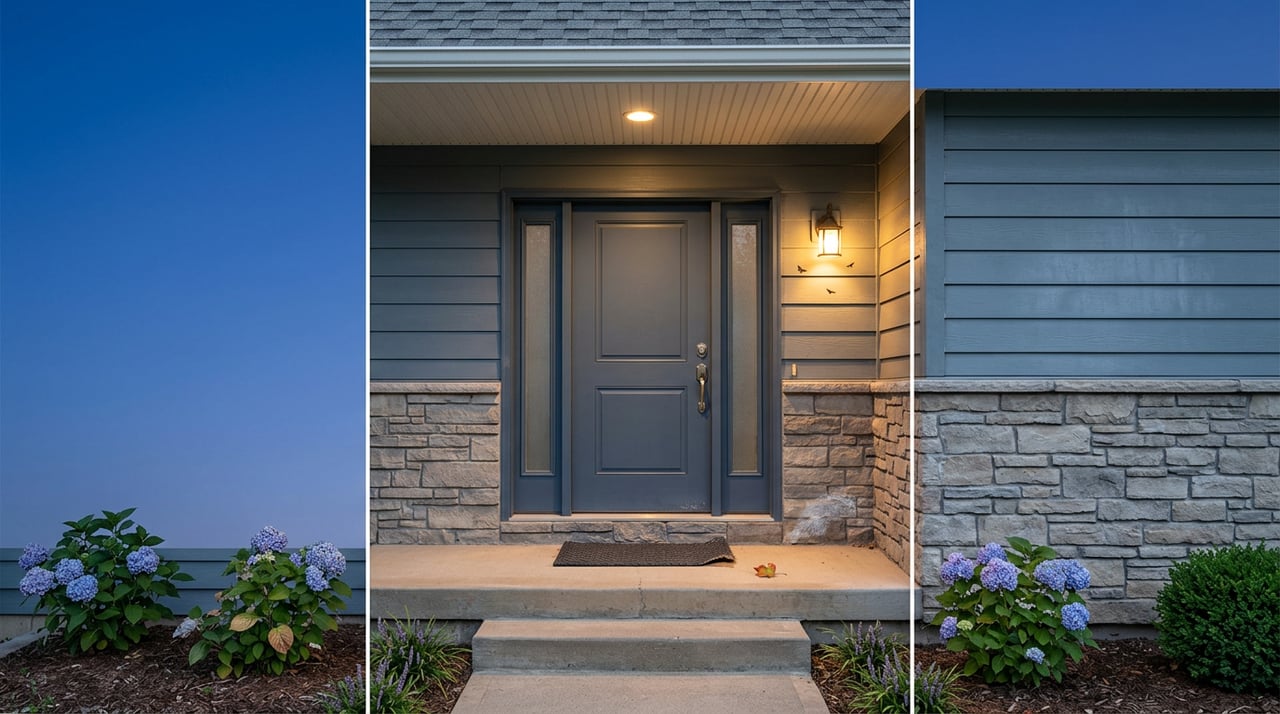
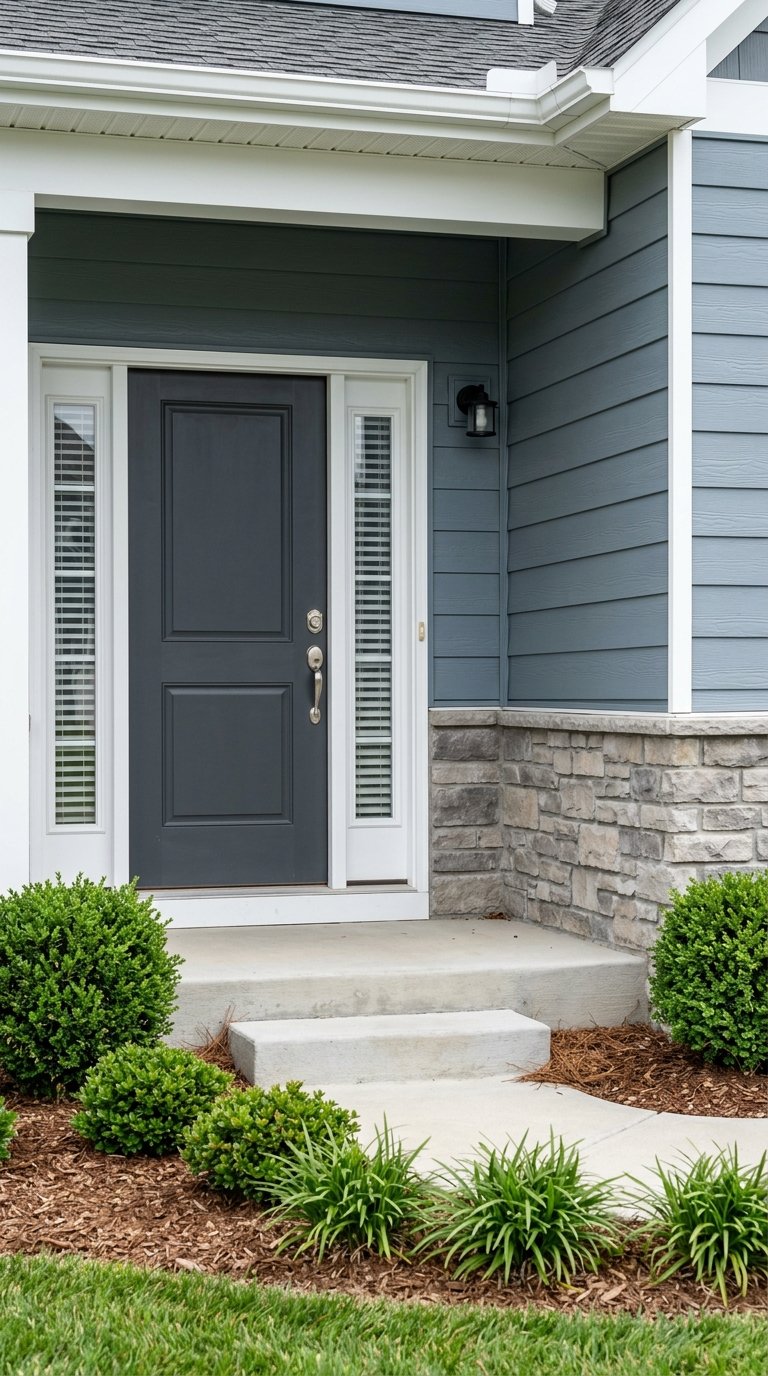
- Front entry refresh and garage door: A fresh-painted front door with new hardware creates a strong first impression. Garage door replacements often rank among the highest cost-recoup projects in Cost vs. Value reports (ROI summaries).
- Neutral interior paint: Light, neutral walls make spaces feel larger and cleaner. Realtors commonly recommend paint as a top pre-listing project (NAR guidance).
- Flooring touch-ups: Refinish hardwoods where possible and replace only the most worn carpet. Hardwood refinishing often wins strong buyer response (cost overview).
- Lighting and hardware: Swap dated light fixtures, cabinet pulls, and faucets for simple, modern options.
- Deep clean and light staging: Decluttering and staging improve listing photos and showing flow (pre-list prep tips).
C. Moderate, situational projects
Evaluate these by neighborhood norms and your home’s price tier.
- Minor kitchen refresh: Paint or reface cabinets, update counters, and add new hardware for a big sensory lift without a full gut. National data shows “minor kitchen” projects often recover a meaningful share of cost, though results vary by market (Remodeling Impact Report).
- Targeted bath updates: Regrout tile, replace a vanity top, and update fixtures. Keep the scope focused for resale value (Remodeling Impact Report).
- Windows and insulation: Mid-grade window replacements or added insulation can appeal to energy-conscious buyers. Balance cost with comparable homes in your area.
D. Projects to skip before listing
Save these for your next home unless your comps already support luxury pricing.
- Full, high-end kitchen or bath gut remodels done solely for resale.
- Custom luxury upgrades with narrow appeal.
- Large additions or new pools right before listing.
National ROI comparisons show many large, last-minute remodels do not fully pay back at sale. Focus on targeted cosmetic and systems work instead (Remodeling Impact Report).
Smart timelines and cost guide
Use these conservative ranges to plan. Always get three local bids.
Immediate: 1–14 days
- Declutter, deep clean, and yard tidy. These create instant visual impact in photos and showings.
- Paint touch-ups and caulking. Spot-fix high-traffic scuffs, window trim, and baseboards.
- Minor plumbing fixes like leaky faucets or running toilets.
- Lighting and hardware swaps. Prioritize main living areas and the entry.
Typical costs: Professional interior painting often runs about $2–$6 per square foot depending on prep and finish, and small jobs can wrap in days (painting benchmarks).
Short: 2–6 weeks
- Whole-home paint in neutral colors. Plan room-by-room sequencing so you can stage right after.
- Garage or front door replacement. Garage door projects commonly cost in the low-$4k range nationally with quick on-site installation once ordered, and they have historically high recoup rates (Cost vs. Value).
- Hardwood refinishing in main living areas. Many jobs complete in several days to a week depending on square footage and dust control, with national costs around $3–$8 per square foot (refinishing costs).
- HVAC service and window maintenance to confirm smooth inspections.
Medium: 6–12+ weeks
- Minor kitchen refresh: cabinet painting or refacing, counters, backsplash, and hardware. Timelines vary with cabinet work and countertop lead times.
- Larger flooring projects or window replacements, depending on lead times.
- Roof replacement if near end-of-life. Consider this when comparable homes signal a buyer expectation for newer systems.
Curb appeal that sells
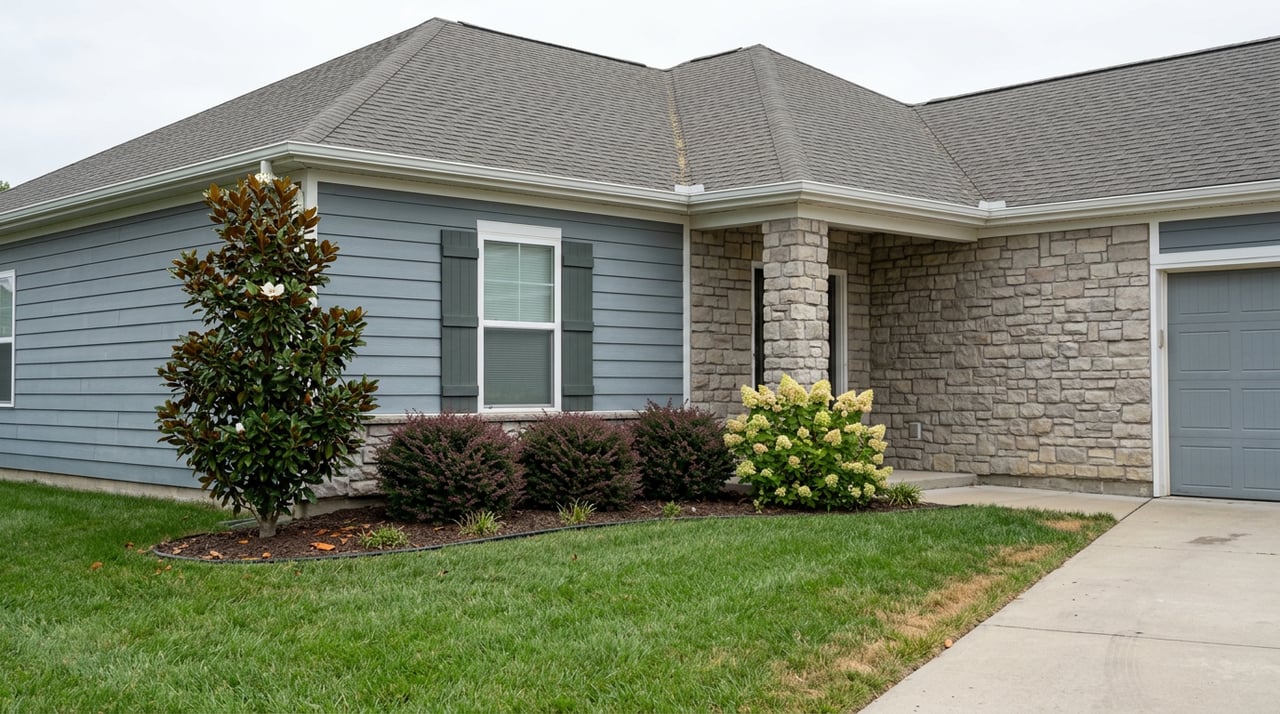
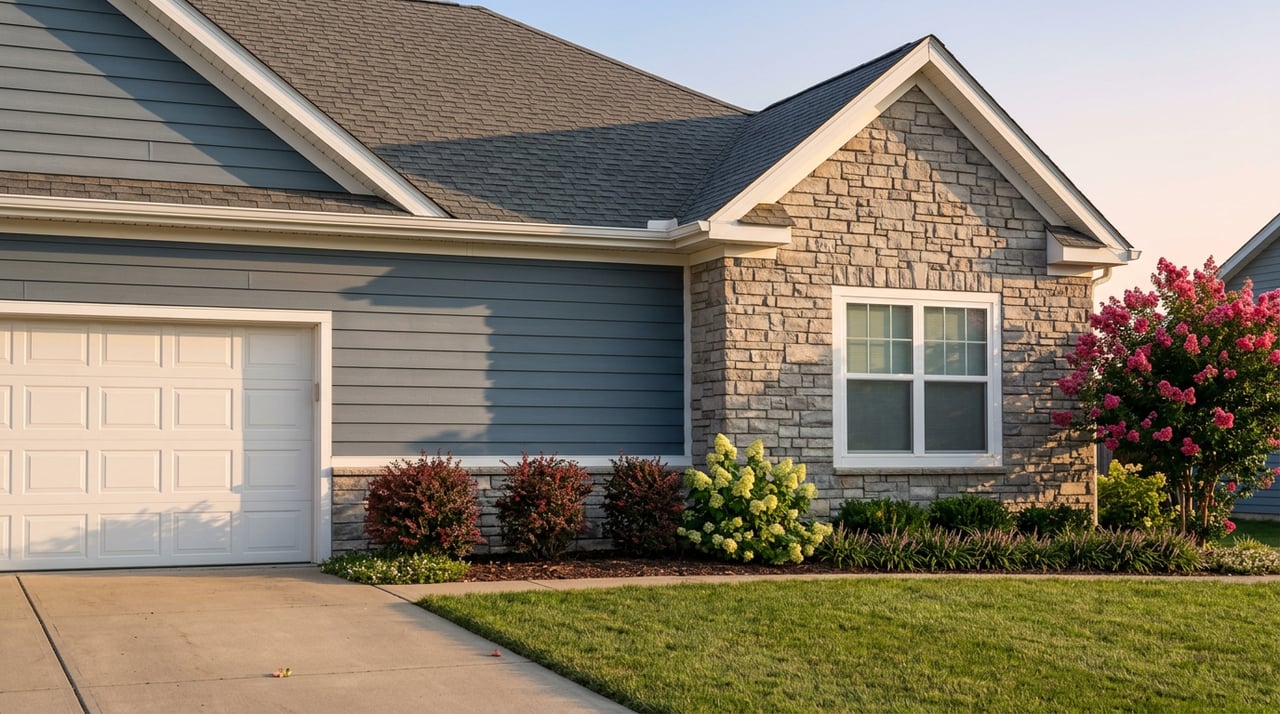
First impressions matter. National research shows exterior upgrades and well-kept landscaping are near-universal priorities for agents because they reduce buyer friction and speed showings (NAR outdoor features). In Upstate South Carolina, schedule yard refreshes so new mulch, trimmed shrubs, and seasonal color look their best around listing photos and launch.
Permits, licensing, and disclosures in Greenville
Taking the right steps here protects your sale.
- Permits: Greenville County and the City of Greenville require permits for structural, electrical, plumbing, HVAC, and many exterior projects. The County’s portal notes a typical processing window near 2–3 weeks depending on season, so build that into your timeline (County permitting).
- Contractor verification: Verify any contractor’s South Carolina license and insurance using the state’s lookup tools (SC LLR license lookup).
- Seller disclosures: South Carolina requires a Residential Property Condition Disclosure Statement. You must disclose known material defects and update if you learn new information before closing. Selling “as is” does not remove this duty. Consult your agent or an attorney for specifics (SC statute overview).
Consider a pre-listing inspection
A seller-ordered inspection can surface likely buyer concerns early, giving you time to compare bids and schedule repairs without pressure. It also supports cleaner negotiations by reducing surprises. Many top agents recommend this step as part of a strong listing strategy (pre-list prep tips).
How to compare contractor bids
Get at least three written bids and compare the same scope across each. Watch for unusually low prices or timelines that skip permits.
Use this quick checklist:
- Defined scope of work line by line.
- Materials and finish levels specified.
- Permit responsibility and expected timeline.
- Warranty terms for labor and materials.
- Payment schedule tied to milestones, not dates.
- Proof of license and insurance verified through SC LLR.
Dina’s construction-informed approach
You do not have to triage repairs alone. A hands-on advisor with construction experience can help you invest where it counts.
- Triage on site: Sort issues into cosmetic fixes you can do quickly, contractor-level system work, and items that need engineering, permitting, or disclosure. Decide whether to repair now, offer a credit, or price accordingly.
- Review bids: Translate trade jargon, flag missing scope, and compare warranties and schedules so you avoid costly change orders.
- Sequence trades: Plan the order of work so you do not redo tasks. A common sequence is paint first, then flooring, followed by a deep clean, staging, and pro photography.
A simple 6-week prep plan
Week 1: Declutter, deep clean, yard tidy, minor caulking and touch-up paint.
Week 2: Whole-home paint begins. Order hardware, light fixtures, and any garage or front door.
Week 3: Finish paint. Install lighting and hardware. HVAC service.
Week 4: Refinish hardwood or replace targeted flooring areas. Window maintenance.
Week 5: Curb appeal refresh. Final punch list and interior detail clean.
Week 6: Light staging and pro photography. Go live on the market.
Ready to focus on the repairs that move the needle in Greenville? Let’s create a plan that fits your budget, timeline, and target buyer so you can list with confidence. Schedule your free consultation with Dina Napechnik to get started.
FAQs
What pre-listing repairs matter most in Greenville?
- Safety and system items like leaks, HVAC performance, electrical safety, and roof condition come first, followed by high-impact cosmetics such as neutral paint, curb appeal, and flooring touch-ups.
How much should I budget for painting before selling?
- Professional interior painting often runs about $2–$6 per square foot depending on prep and finishes, and many whole-home jobs wrap within one to two weeks.
Do I need permits for pre-listing repairs in Greenville County?
- Yes for structural, electrical, plumbing, HVAC, and many exterior projects. Check processing times and requirements on the County site and plan 2–3 weeks for reviews.
Should I replace my garage door before listing?
- If your door is dated or damaged, a replacement can be a top curb appeal upgrade and has historically ranked high for cost recoup in national Cost vs. Value comparisons.
Is a full kitchen remodel worth it before selling in Greenville?
- Usually not right before listing. Minor kitchen refreshes often deliver better returns and faster timelines, while full gut remodels rarely recoup all costs at sale.
What is my disclosure obligation as a South Carolina seller?
- You must complete the Residential Property Condition Disclosure Statement and update it if new information arises before closing, even in an as-is sale.