Greenville’s growth story is hard to miss. New jobs, steady in‑migration, and visible infrastructure work are all shaping what you see when you shop for a home. If you’re trying to time a move or set a smart list price, you need to understand how these forces translate into prices, inventory, and competition. This guide breaks it down and gives you clear steps to act with confidence. Let’s dive in.
Upstate growth in motion
Greenville’s job engine is still humming. In 2025, Greenville County secured about $725 million in new investments and 1,293 announced jobs, spanning advanced manufacturing, energy, and industrial expansions. Those announcements point to continued household formation and a steady stream of buyers and renters entering the market. You can review highlights in the Greenville Area Development Corporation’s update on recent capital investments and jobs.
State labor data shows the Greenville‑Anderson‑Mauldin metro maintained solid nonfarm payroll growth through 2024 and into 2025, supported by a diverse employer base in manufacturing, mobility suppliers, healthcare, and tech‑adjacent services. That blend creates demand across price points and keeps housing absorption healthy in many submarkets.
Population growth adds another layer. Census estimates place the Greenville metro among the faster‑growing areas in the country during 2020–2024. Inbound movers are often coming from larger metros for job opportunities and lifestyle value, which adds competitive pressure in amenity‑rich and well‑located neighborhoods.
Infrastructure helps explain where demand concentrates. Greenville‑Spartanburg International Airport’s master plan outlines terminal and cargo improvements that can boost regional connectivity and business activity. On the ground, South Carolina DOT plans for the I‑85 and I‑385 corridors influence commute dynamics and the appeal of nearby suburbs. Timing matters, because delayed or phased projects can shift when certain corridors see relief or new pressure.
- Economic development update: Greenville County investments and jobs
- Labor context: SC Data Trends, March 2025
- Metro population estimates: U.S. Census metro data
- Airport plan: GSP master plan
- Corridor projects: SCDOT I‑85 widening
What the numbers say in Greenville
Recent snapshots show a more balanced market than the pandemic peak. Inside Greenville city limits, the January 2026 median sale price hovered near $387,000, with homes taking longer to sell than in 2021–2022. Countywide, the median listing price has been around $389,000 to $398,000, and active listings have grown notably year over year. More choices on the market often translate into gentler price growth and room for negotiation.
Pace and competition have cooled from the frenzy. Average days on market are in the high‑60s to around 70 in many reports, and sale‑to‑list ratios have eased from pandemic highs. That said, well‑located and well‑prepared listings can still draw strong interest, especially in central Greenville and popular suburban corridors.
For context, nearby markets show why some buyers compare across the Upstate. Median prices are typically higher in Asheville and lower in certain parts of Spartanburg or Anderson, based on the same data sources used above. Budget and commute preferences will often drive which side of the county line you focus on.
Supply is building, but uneven
New supply is finally making a dent. Greenville County recorded 5,500+ building permits in 2024, a meaningful pipeline across single‑family and multifamily. Over the next 12 to 36 months, that pipeline should help moderate price pressure in several price tiers, although not equally in every neighborhood.
Multifamily is a big part of the story. A recent regional report tracked roughly 2,100 apartment units under construction in the Greenville‑Spartanburg market, with healthy occupancy and absorption in many submarkets. Strong rental demand supports build‑to‑rent and multifamily projects, which can give would‑be buyers time to save or bridge into homeownership later.
National trackers also list the Greenville‑Anderson‑Greer metro among the more active new‑construction markets in 2025. That means new builds will continue to make up a sizable share of for‑sale options in certain areas, especially suburbs with available land and utility capacity.
- Permits: Census QuickFacts, Greenville County
- Multifamily pipeline: Colliers Q1 2025 Greenville‑Spartanburg
Neighborhood impacts to watch
Planning decisions guide where density goes. The City of Greenville’s comprehensive planning emphasizes growth along key corridors and in walkable nodes. That typically supports more infill and multifamily in central areas while greenfield single‑family continues around the edges. The upshot for you is an evolving mix of options depending on the ZIP code you target.
Corridors tied to job centers often see competitive pressure first. Locations with convenient access to I‑85, I‑385, and the airport can draw steady interest from relocating employees and regional commuters. If you shop or sell in these zones, monitor days on market and month‑over‑month active inventory at the neighborhood level, not just countywide.
- City planning context: City of Greenville comprehensive plan
If you’re buying in 2026
You have more choice, but strategy matters.
- Set your price‑tier plan. If your budget sits below the Greenville city median, expand your search to nearby suburbs or adjacent counties where entry prices are often lower. If you prioritize a shorter commute or walkable amenities, plan to pay closer to central Greenville price points.
- Watch micro‑market signals. Track active listings, median days on market, and price reductions in your target ZIP codes weekly. Countywide gains in inventory do not always reach every street.
- Time your move to conditions. Mortgage rates around early March 2026 averaged near 6% nationally. If rates retreat further, competition can pick up. Look for months‑of‑inventory drifting toward 4 to 6 months and fewer over‑ask bids in your ZIPs as green lights.
- Leverage new‑build options. Builders may offer closing cost help or design credits depending on cycle and community. Compare monthly payments and maintenance profiles across new construction and resale.
Quick buyer checklist:
- Get pre‑approved and set a clear monthly budget range.
- Define two to three target ZIP codes with backup areas beyond the county line if needed.
- Track weekly listing counts, days on market, and price cuts for those ZIPs.
- Compare new‑build incentives to resale negotiation room.
- Move quickly on well‑matched homes and keep contingencies tight but protective.
Reference: AP coverage of weekly mortgage rates
If you’re selling in 2026
Pricing and presentation carry more weight as buyers gain options.
- Price to the micro‑market. Start with the last 30 to 90 days of nearby closed sales, then adjust for current active competition, especially any new‑builds that overlap your price point. County medians are a backdrop, not a pricing tool.
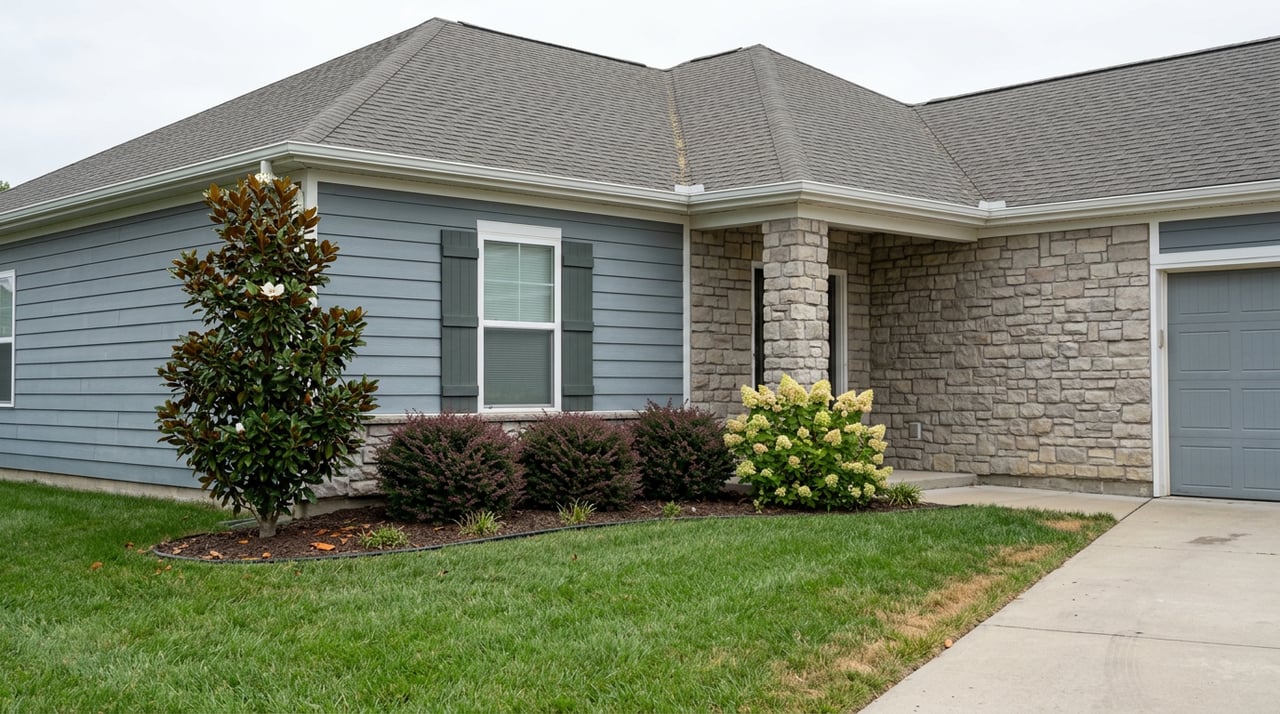
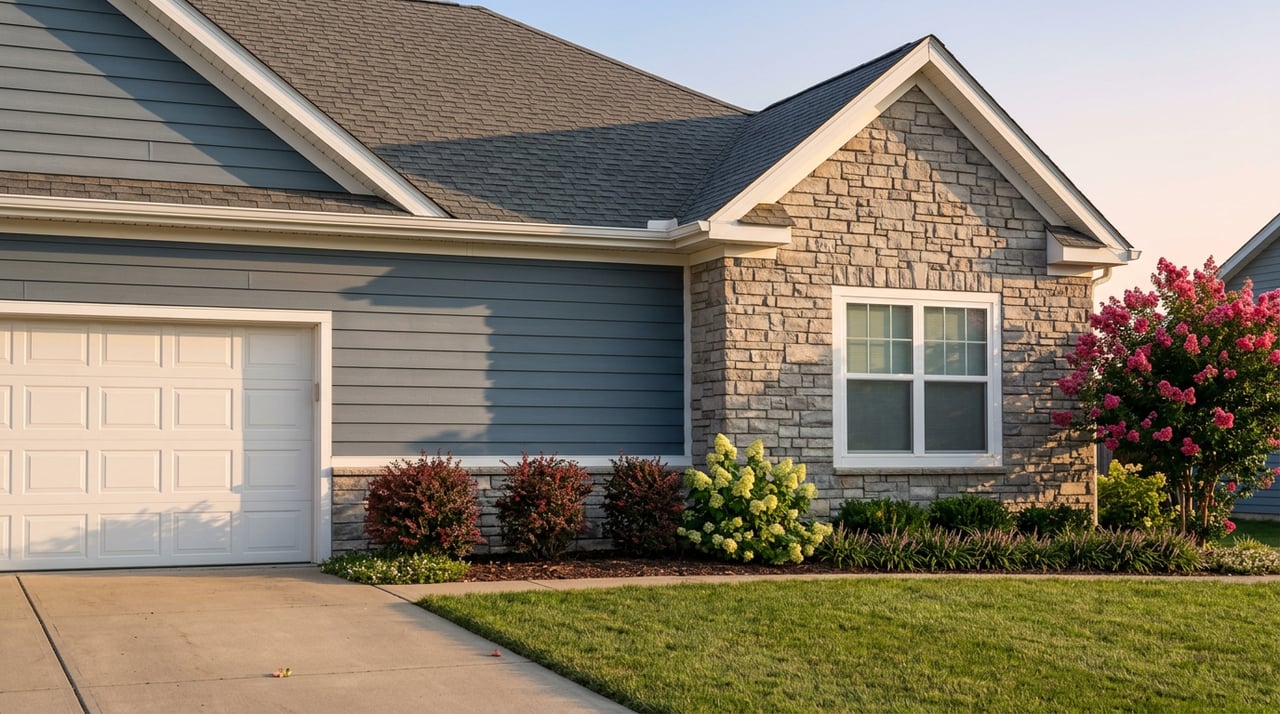
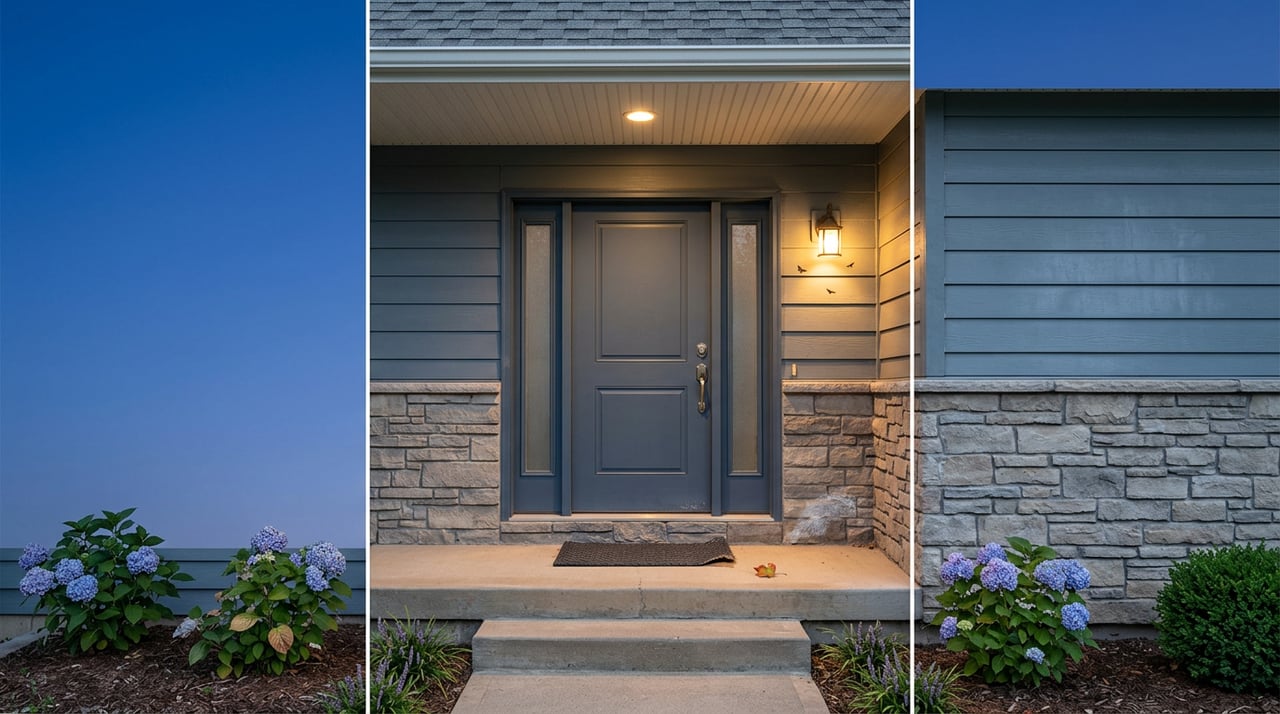
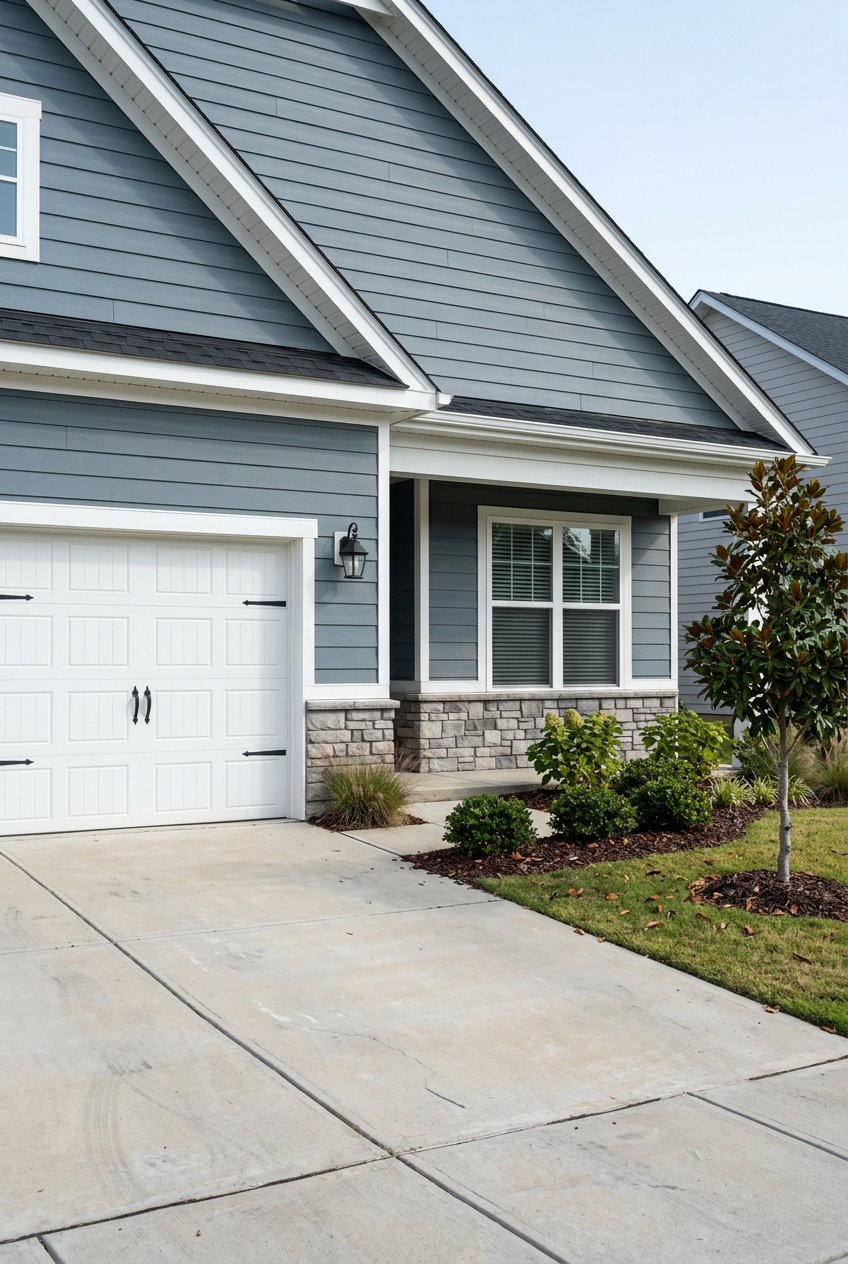
- Win the first impression. With days on market longer than the 2021‑2022 period, professional photos, light pre‑listing repairs, and crisp staging help you stand out. Fresh paint, modest landscaping, and minor fixture updates can deliver outsized returns.
- Plan for pace. Expect more showings before an offer and a bit more negotiation on inspection items. Strong employer growth nearby can still support premium pricing, but only if condition and marketing align.
Simple 5‑step prep plan:
- Pre‑inspection or walkthrough to flag obvious repairs.
- Targeted updates with high visual impact and low cost.
- Deep clean and neutralize spaces for photos and tours.
- Price within the top three recent comparables, adjusted for today’s actives.
- Launch in a high‑traffic window and review feedback after week one.
Key indicators to track each week
- Local closed sales and new pendings in your target ZIPs.
- Active listings and months of supply by neighborhood.
- Building permits and new‑construction deliveries in Greenville County.
- Announced employer projects in the Upstate.
- Mortgage rate trends and lender credit availability.
- Highway and airport project updates that affect commute patterns.
The bottom line
Upstate growth is reshaping Greenville housing in measurable ways. Job announcements and steady in‑migration keep a firm floor under demand. At the same time, more listings and a growing new‑construction pipeline give you better choices and slightly more leverage than during the pandemic peak. Your best move is to read the market at the ZIP‑code level, price or bid to the micro‑trend, and use upcoming supply and project timelines to your advantage.
If you want a clear plan tailored to your neighborhood and budget, connect with Dina Napechnik for a free consultation and home valuation. You’ll get construction‑informed advice, step‑by‑step staging or new‑build guidance, and responsive service in English, Russian, or Ukrainian across Greenville and the greater Upstate.
FAQs
What is driving Greenville home demand in 2026?
- A mix of new jobs, population in‑migration, and ongoing infrastructure improvements supports steady demand across price points in Greenville and surrounding suburbs.
Are Greenville home prices still rising?
- City medians are below pandemic‑era peaks in recent snapshots, while county medians have stabilized; the bigger change is more active listings and longer market times than in 2021–2022.
How will new construction affect prices near Greenville?
- Greenville County’s 2024 permits and thousands of apartments under construction should moderate price pressure over 12–36 months, though effects vary by neighborhood and price tier.
Which Greenville areas feel the most competition?
- Central neighborhoods and corridors with strong access to I‑85, I‑385, and major job centers often see selective competition, while other pockets benefit from rising inventory.
Should I wait to buy if rates fall?
- Lower rates can reduce your monthly payment but may bring more buyers into the market; balance payment savings against the risk of renewed competition in your target ZIPs.
What can sellers do to stand out now?
- Price to recent local comps, address simple repairs, and stage for crisp photos; strong presentation and smart timing help offset longer average days on market.