Thinking about a move to Anderson and wondering where to live and how your commute might look? You are not alone. Many Upstate newcomers choose Anderson for its friendly feel, access to Lake Hartwell, and convenient drives to regional job centers. In this guide, you will learn how the city is laid out, which neighborhoods may fit your lifestyle, and what to expect for daily travel and essentials. Let’s dive in.
Why consider Anderson
Anderson sits in Upstate South Carolina, within the larger Greenville–Anderson metro. You get a blend of historic charm, established suburbs, and lake life, along with the practical benefits of a mid-sized market. Many buyers appreciate the area’s overall value compared with bigger metro cores, along with access to regional employers, healthcare, and higher education.
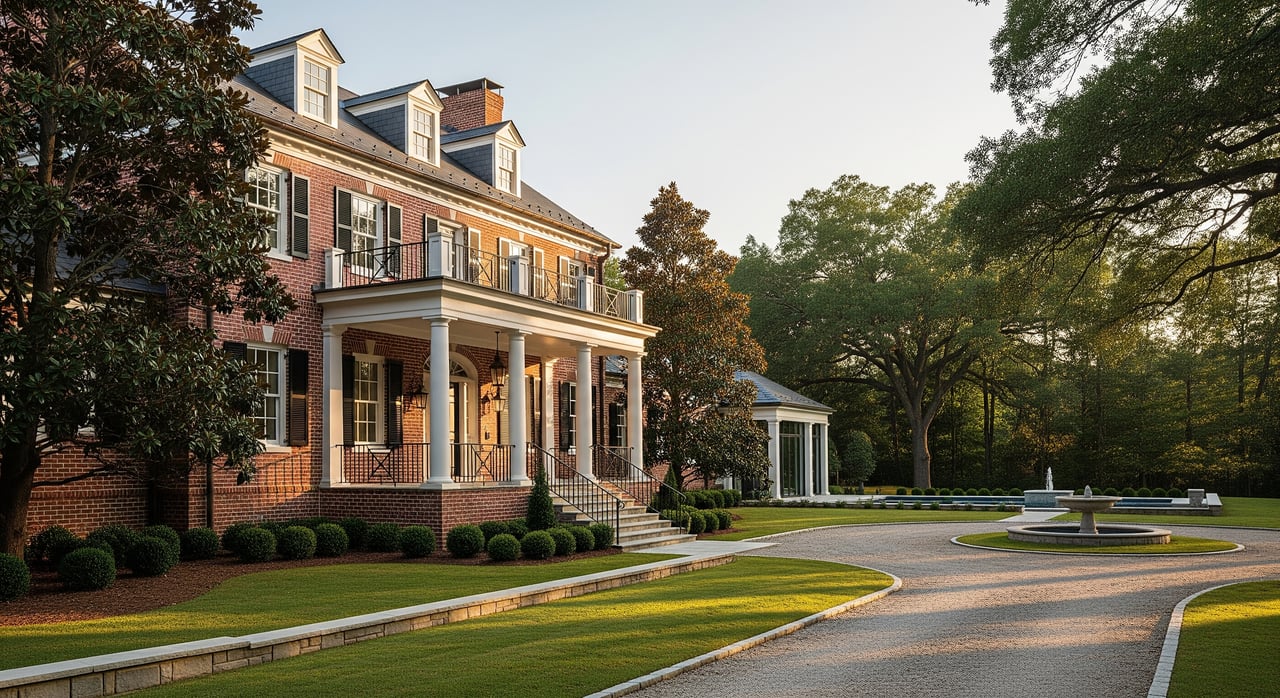
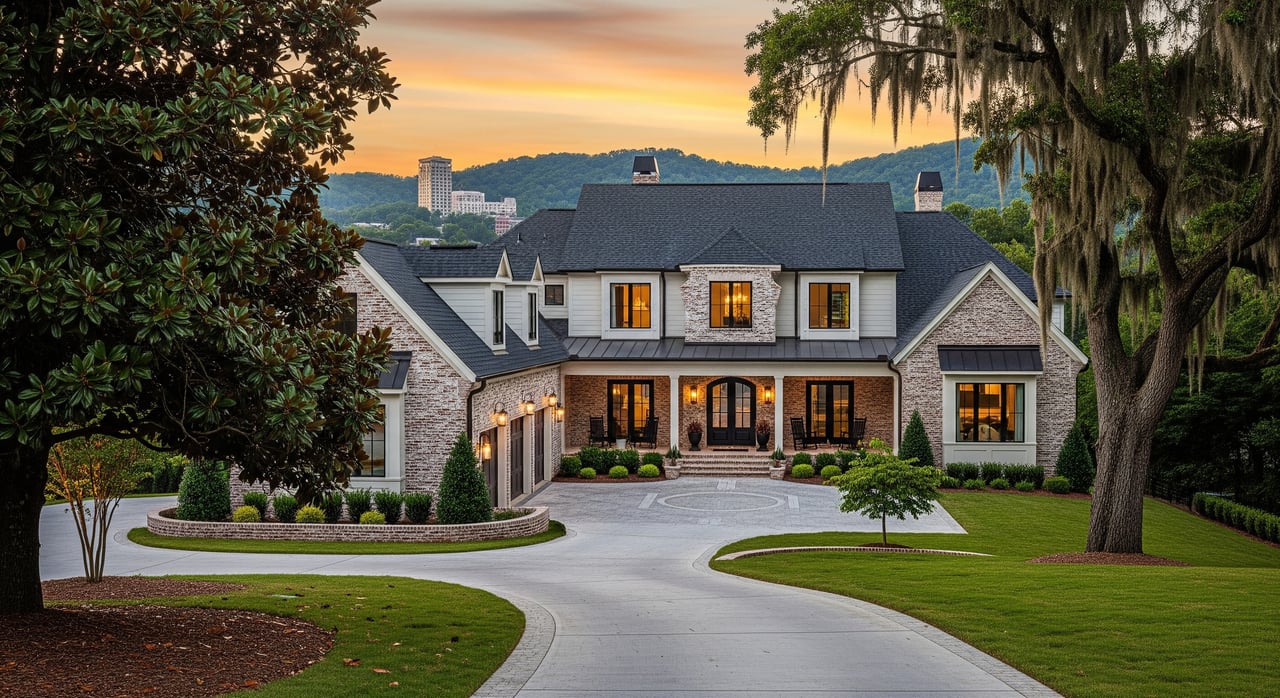
Anderson offers a range of home types. You will find older homes in the city’s core, newer subdivisions near major roads, and lakefront options in the county. The result is a flexible set of choices whether you want walkability, more yard space, or proximity to water and recreation.
How the area is laid out
The City of Anderson anchors the county with a historic downtown and surrounding residential neighborhoods. As you move outward, you will see city-adjacent subdivisions, then lakeside and rural communities in the county. Interstate 85 connects the region and frames many commute patterns. Most daily needs can be met within a short drive from your neighborhood, while weekend destinations across the Upstate are within a reasonable reach by car.
Neighborhoods at a glance
Below are five reader-friendly areas that reflect how people often search for homes in and around Anderson. Use them as a starting point as you narrow down your priorities.
Downtown and historic core
What it is: Anderson’s traditional center with historic homes, small-lot properties, and renovated buildings. You will find a main-street feel with dining, arts, and community events.
Homes and feel: Expect Victorians, bungalows, and renovated cottages, plus lofts or condos in select converted buildings. Many streets offer sidewalks and a connected grid.
Commute notes: You are close to local employers and city services. Regional drives use nearby arterials to reach I-85.
Who it fits: You want character, walkable access to amenities, and manageable home sizes. You value being part of an active city scene.
Considerations: Historic district guidelines can affect exterior changes. Older homes may involve maintenance or renovation planning.
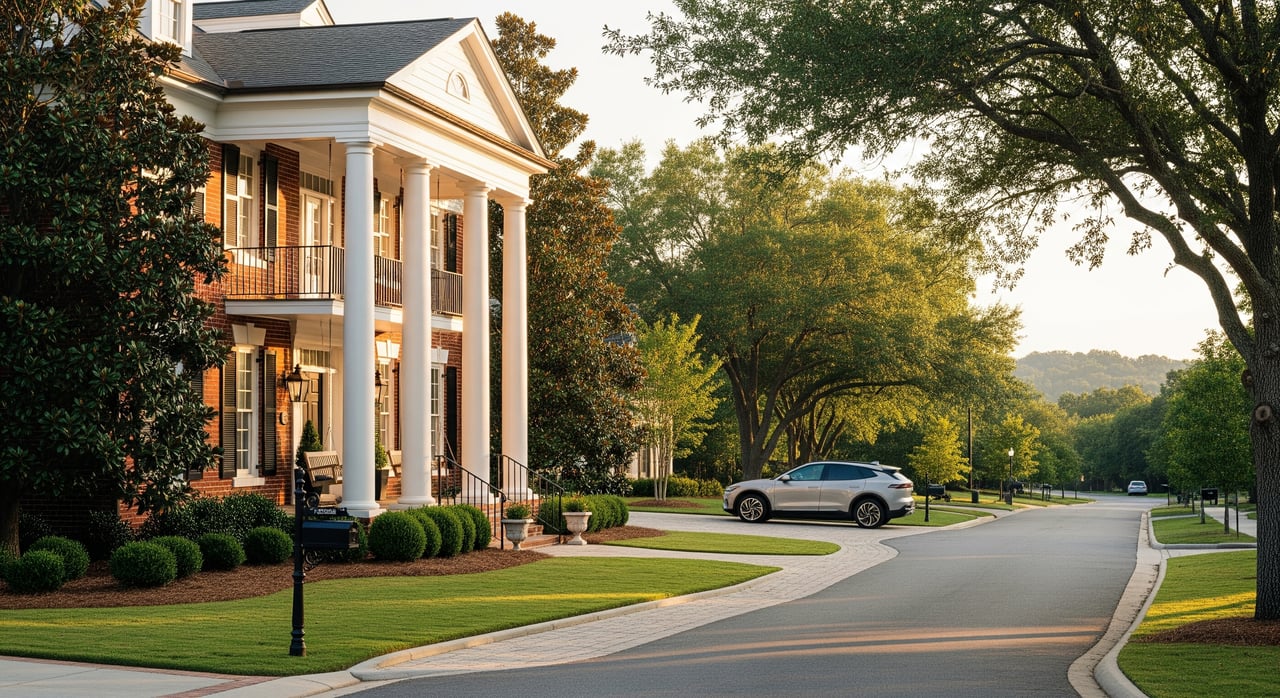
Suburbs and newer developments
What it is: City-adjacent subdivisions with single-family homes, garages, and neighborhood amenities. Many communities include homeowners associations and newer construction phases.
Homes and feel: Two-story traditionals, ranch plans, and contemporary builds with open layouts are common. Lots vary by subdivision, with many homes offering yards for outdoor living.
Commute notes: Quick access to major roads is a priority. Proximity to I-85 supports regional commuting while daily errands are usually a short drive.
Who it fits: You want more square footage, newer systems, and neighborhood consistency. You may prefer a move-in-ready home or a new build.
Considerations: Review HOA rules and fees. Newer sections may still see ongoing construction activity and traffic at peak times.
Lake Hartwell communities
What it is: Lakeside neighborhoods and rural-leaning pockets near Lake Hartwell for boating, fishing, and weekend recreation.
Homes and feel: Full-time residences and second homes mix together. Properties range from traditional homes to custom builds on larger lots. Some parcels may be in flood-prone areas, so due diligence is important.
Commute notes: You will likely drive farther for city errands and services. Route planning and launch access matter if boating is part of your routine.
Who it fits: You want water access, a relaxed pace, and outdoor living. You are comfortable trading a longer drive for lake-focused amenities.
Considerations: Verify flood maps and insurance needs. Seasonal traffic can impact travel near busy recreation areas.
Rural outskirts and small towns
What it is: County areas with acreage, manufactured homes, and small-town main streets. Growth is measured, and properties often offer more space.
Homes and feel: Larger lots, hobby farms, and privacy-focused parcels are common. You will find a range of home ages and styles.
Commute notes: Expect longer drives to central Anderson and regional job centers. Plan for vehicle-centric routines and fewer nearby services.
Who it fits: You want elbow room, privacy, and a lower price per acre. You may value workshops, gardening, or space for equipment.
Considerations: Some parcels use septic rather than sewer. Confirm access to utilities and broadband by address.
Emerging and transition areas
What it is: Corridors and in-town pockets with reinvestment, new commercial activity, or public improvements. You may see renovations, infill builds, and refreshed retail.
Homes and feel: A mix of older homes under renovation and newer builds. Buyers often watch these areas for potential value appreciation over time.
Commute notes: In-town convenience can shorten local drives. Street improvements can enhance future connectivity.
Who it fits: You want a balance of access and long-term potential. You are comfortable with change and a developing neighborhood feel.
Considerations: Construction activity and zoning changes can evolve quickly. Stay up to date on local planning updates.
Commute and transportation
Major highways and routes
Interstate 85 is the principal corridor serving Anderson County and connects you to Greenville and other Upstate destinations. City streets and state or U.S. routes feed into I-85 and link neighborhoods to shopping, services, and schools. Your nearest interchange and preferred arterial can significantly shape commute times, so factor that into your neighborhood search.
Typical drive patterns
Many residents drive to local employers in and around the city and to regional job centers in the Greenville–Anderson area. Travel times vary by starting point, time of day, and road work. When you shortlist homes, check peak-hour routes in a live map and test your morning and evening windows for a realistic view.
Tips for a smoother commute:
- Compare two or three routes for each destination and save them in your navigation app.
- If you have flexibility, shift your start time by 15 to 30 minutes to avoid the heaviest congestion.
- Explore neighborhood access points to I-85 and nearby arterials before committing to a home.
Transit and alternatives
Anderson is primarily car dependent. Some central areas offer walkable blocks, and you will find multi-use trails and sidewalks in select locations. For longer trips, intercity bus or rail are accessible in the region, but most daily commuting is by car. If you prefer biking or walking, focus on in-town neighborhoods with connected street grids and nearby amenities.
Commute cost considerations
Plan for fuel, maintenance, and insurance in your monthly budget. If you work from home part or full time, you may gain flexibility in your neighborhood choices. When comparing homes, factor in garage space for vehicles, storage for outdoor gear, and the cost savings of a shorter drive.
Schools, healthcare, and daily life
Schools
Anderson County is served by multiple public school districts. Attendance zones vary by address, so confirm school assignments during your home search. Families often review official report cards, graduation data, program offerings, and transportation options. Magnet or charter choices may be available within the broader county system. Use neutral, verified information and check boundaries directly with the district.
Higher education and training
You have access to higher education and technical training in and near Anderson, including local colleges and proximity to regional universities. Programs often align with area employers in manufacturing, healthcare, education, and retail.
Healthcare
Anderson is served by major hospitals and urgent care providers, with additional tertiary care options in the broader metro. When evaluating a neighborhood, note your distance to emergency care and primary care offices, along with pharmacy access.
Shopping, groceries, and daily needs
Daily errands cluster along key retail corridors in and around the city. Grocery stores, big-box retail, local shops, and service providers are a short drive from most neighborhoods. If you want to minimize drive time, choose a community with quick access to your most-used stores.
Recreation, culture, and dining
You can enjoy Lake Hartwell for boating and fishing, city parks for playgrounds and sports, and a downtown calendar with festivals and events. Dining ranges from casual to local favorites, with more options across the Upstate for weekend outings.
Safety and services
Crime levels vary by area and over time. Review official police and public safety data when comparing neighborhoods and consider practical measures like lighting, visibility, and home security features. Emergency services are available across the county, with response considerations based on address and distance.
Utilities and broadband
Electric, gas, water, and sewer service depend on the provider serving your address. Broadband options can include cable or fiber in many in-town locations and a mix of technologies in rural areas. Always verify utility and internet availability during your due diligence.
Taxes and insurance
Property taxes and local sales taxes vary by jurisdiction. For lakefront or riverside properties, review flood maps and insurance requirements. Your lender and insurance agent can help you compare coverage types and estimate monthly costs.
Practical relocation checklist
Use this checklist to stay organized from offer to move-in.
Budget and pre-approval
- Set a purchase budget that includes taxes, insurance, and commute costs.
- Get pre-approved and compare loan programs and rate options.
Neighborhood due diligence
- Test drive routes at the times you will travel most.
- Confirm school assignments and transportation options by address.
- Verify HOA rules, fees, and community amenities.
Property research
- Confirm utility providers, broadband options, and trash pickup schedules.
- For rural or lake properties, verify septic vs. sewer and flood zone status.
- Review recent permits and any historic district guidelines if applicable.
Contract to closing
- Plan inspections that match the property type, including septic or dock considerations where relevant.
- Understand contingency timelines and coordinate with your lender for appraisal and underwriting.
- Schedule movers and confirm elevator or parking needs for in-town buildings.
New resident setup
- Set up electric, gas, water, sewer, and internet accounts.
- Register vehicles and update your driver’s license with the state DMV.
- Register to vote, update insurance policies, and get a local library card.
How we help you relocate
You deserve a clear, low-stress move with a guide who knows the Upstate and respects your family’s needs. With a construction-informed eye, I help you weigh renovation costs, new-build options, and long-term value by neighborhood. I also offer bilingual service in Russian and Ukrainian to make the process easier for multilingual households. If you want hands-on, responsive representation backed by proven systems, reach out to Dina Napechnik at Dina Napechnik.
FAQs
What parts of Anderson offer shorter regional commutes?
- Areas with quick access to I-85 and major arterials can reduce drive times to regional job centers. Test your exact routes during peak hours before you decide.
Is Anderson walkable or will I need a car?
- Some in-town streets are walkable, but most daily trips are easier by car. If you value walkability, focus on the downtown and historic core or close-in neighborhoods.
How long is the commute to Greenville or Clemson?
- It depends on your starting point, time of day, and road work. Check live maps during your typical travel windows to get realistic ranges.
What should I know about lakefront homes on Lake Hartwell?
- Verify flood maps and insurance needs, confirm dock permissions if applicable, and budget for slightly longer drives to city services.
Which school district will serve my new address?
- Anderson County has multiple districts with boundaries that can shift. Contact the district to confirm current assignments and transportation options for your specific address.
Are there newer construction options near Anderson?
- Yes. You will find newer subdivisions in city-adjacent areas and ongoing building in select corridors. Review HOA details and construction timelines if you are buying in an active phase.
What utilities and internet providers serve Anderson homes?
- Providers vary by address. Confirm electric, gas, water, sewer, and broadband availability during your due diligence, especially for rural parcels.
How do closing timelines typically work in the area?
- Timelines vary with financing, inspections, and appraisal. Build in time for due diligence and coordinate closely with your lender and agent to stay on track.