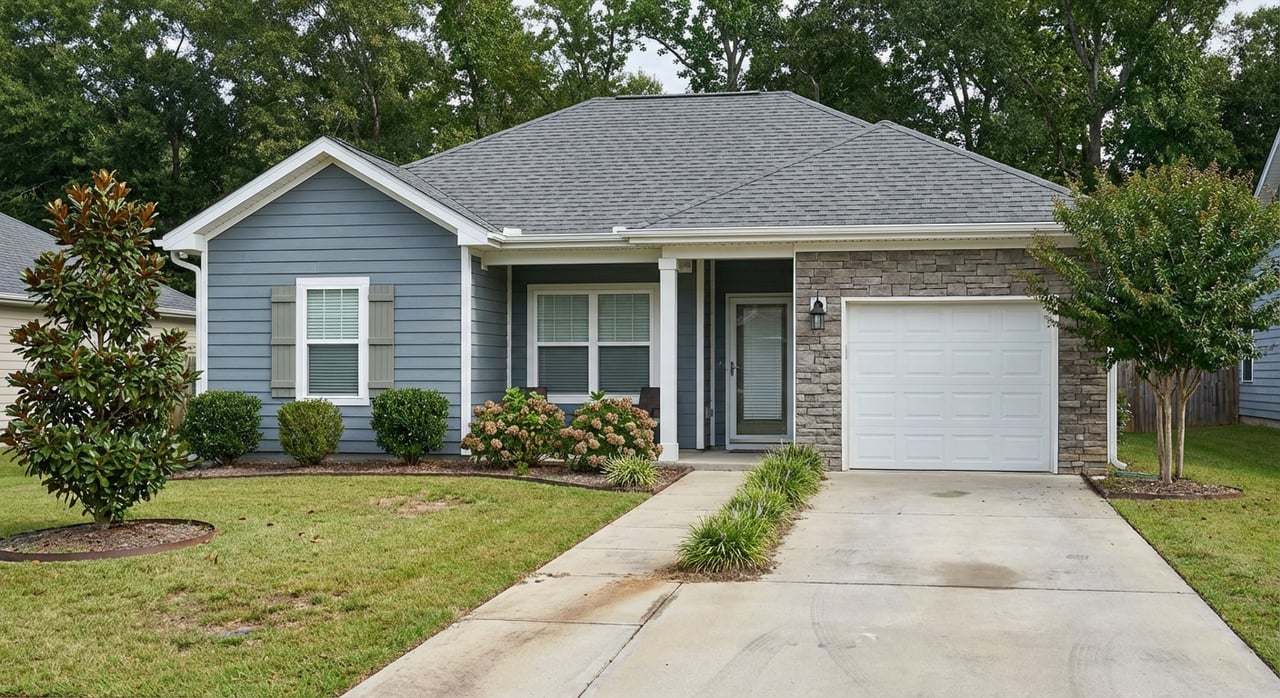
Thinking about downsizing in Spartanburg but not sure how to pick the right home? You want less to maintain without giving up comfort, storage, or the Upstate lifestyle you love. In this guide, you’ll learn how to evaluate floor plans, storage, outdoor space, and yearly upkeep so your next move feels easy and smart. Let’s dive in.
Spartanburg market at a glance
When you plan a downsize, it helps to ground expectations in real numbers. As of Jan 31, 2026, Zillow’s Home Value Index for Spartanburg shows a typical home value around $228,000. Realtor.com’s late‑2025 data reports median sale prices closer to $270,000 to $275,000. These measures differ because ZHVI tracks a smoothed estimate of typical value, while median sale price reflects what recently sold. Use both to frame your budget and talk with your lender and agent about how current comps affect your price point.
Inventory spans classic near‑downtown neighborhoods, mid‑century ranch areas, and newer subdivisions and townhomes on the edges of the city. You’ll find both older single‑family homes with character and newer, lower‑maintenance options. Each comes with different tradeoffs in storage, systems, and yard work. Historic districts may include design guidelines, so plan ahead if you expect to renovate. You can review Hampton Heights’ local guidance to understand how exterior changes are handled in one of Spartanburg’s best‑known historic districts. Visit the Hampton Heights historic district guidelines.
What to look for in a smaller home
Floor plan and circulation first
Most downsizers prioritize single‑level living, safe steps, and an efficient daily flow. On each tour, check:
- Entry: zero‑step or low‑threshold entry, or the potential to add one affordably.
- Doorways and halls: target 36 inches for comfortable passage.
- Primary suite: bedroom and bathroom on the main level, ideally ensuite.
- Laundry: on the main level and near the bedroom if possible.
- Stairs: minimize daily stair use; evaluate condition and handrails if present.
- Flexible room: a den or extra bedroom that can double as an office or guest space.
For a deeper room‑by‑room checklist of accessible features like lever handles, reachable controls, and non‑slip surfaces, review AARP’s practical guide: AARP HomeFit recommendations.
Storage: count it, don’t guess
Smaller homes demand a storage plan. Bring a tape measure and make a list:
- Closets: bedroom closets, hall linen closet, and any coat or utility closets.
- Kitchen: cabinet count, shelf depth, and pantry size.
- Garage: shelving, attic access, and overhead storage potential.
- Attic/basement: access, condition, and usable cubic footage.
- Built‑ins: mudroom benches, bookcases, pantry pullouts.
If your current home has a 10×10 attic and a two‑car garage with shelving, that is meaningful space to replace. If the new home has only a single‑car garage and no attic, you may need built‑ins or off‑site storage. For ideas to stretch space with furniture and organizing tricks, see these small‑space tips from Better Homes & Gardens.
Kitchen and utilities that fit your life
In a smaller footprint, the kitchen’s layout matters even more. Confirm that:
- Your cookware and small appliances have homes within reach.
- Counter space supports how you cook and entertain.
- Existing appliances fit the openings, or note if electrical or plumbing changes are needed.
- The laundry and water heater locations work well for noise and access.
If you plan minor updates, a quick consultation with a contractor can help you price cabinet inserts, pullouts, and lighting that make a compact kitchen feel larger.
Outdoor space and low‑maintenance yards
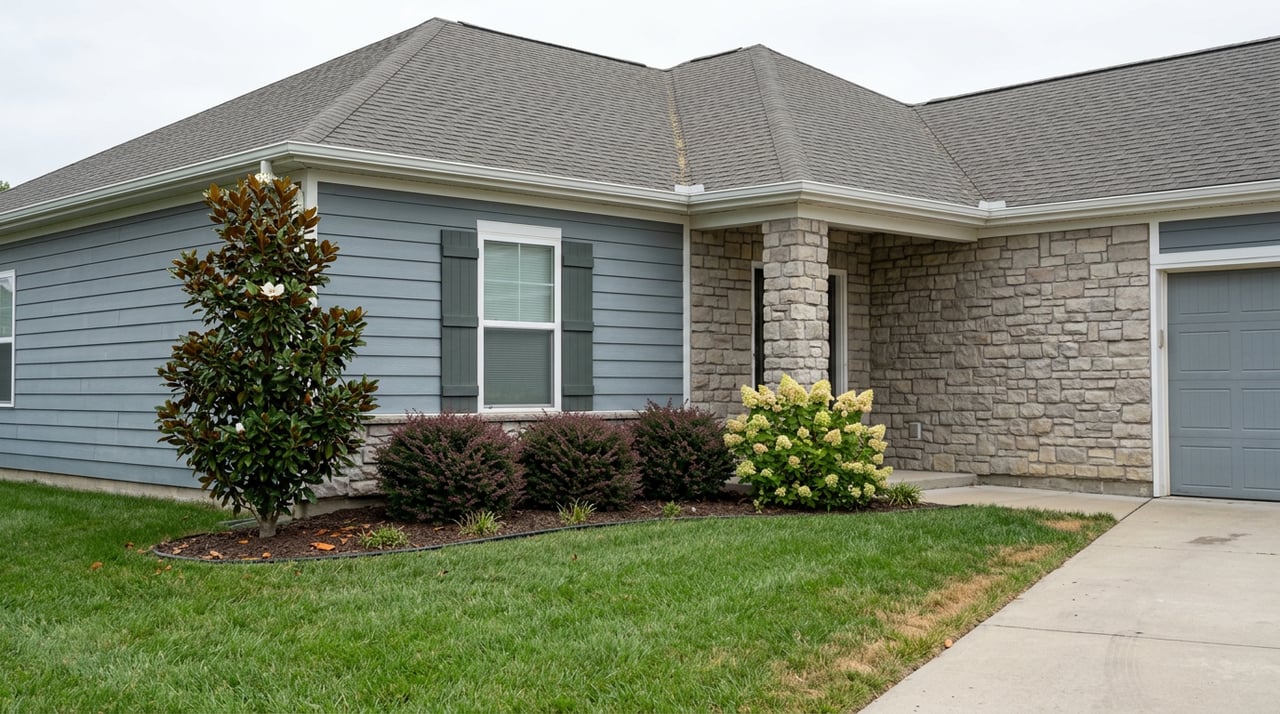
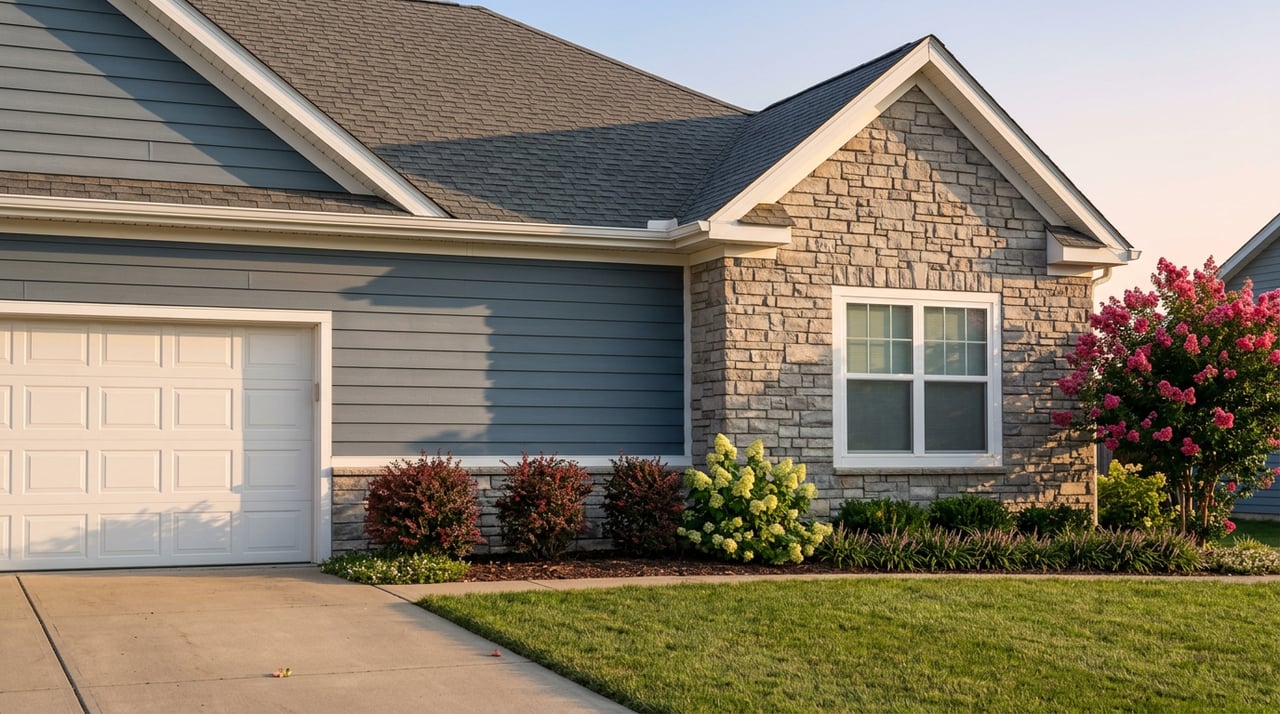
You may want a small yard for pets or gardening, but not weekly chores. Downtown and townhome options often shift exterior work to an HOA, while single‑family ranches provide more private space with more upkeep. In Spartanburg’s hot summers and mild winters, native or regionally adapted plants can cut watering and trimming.
- Choose low‑maintenance natives such as oakleaf hydrangea, beautyberry, and Virginia sweetspire. Clemson’s HGIC offers trusted lists for the Upstate: Clemson HGIC native shrubs and trees.
- Avoid invasive, high‑maintenance choices like privet or English ivy. Learn what to skip here: Invasive plants to avoid in South Carolina.
- If considering a townhome or condo, review HOA fees, covered services, and any rules about patios, planters, or pets.
Maintenance budgeting and red flags
A simple planning rule is to set aside about 1% to 4% of your home’s value each year for maintenance and repairs. Newer homes often sit at the lower end; older homes at the higher end. For a Spartanburg home in the $225,000 to $275,000 range, that is about $2,250 to $11,000 per year. See the outline of this rule here: State Farm’s home maintenance budgeting guide.
Consider common system life cycles when you review disclosures and inspection reports:
- HVAC: 15 to 20 years
- Roof (asphalt shingles): about 20 to 25 years
- Water heater: 8 to 15 years
- Windows: 20 to 30 years
Ask for ages and receipts where you can. A sample reserve: on a $250,000 home, saving 2% is $5,000 per year, which can fund a future roof or HVAC replacement on a 10 to 15 year timeline.
Tour red flags that may raise near‑term costs include moisture in basements or crawl spaces, significant wall or ceiling patching, bowed floors, shingles near end of life, HVAC that does not service all rooms, poor drainage at the foundation, signs of pests, and outdated electrical panels.
Spartanburg home styles that suit downsizers
Bungalow and Craftsman near downtown
Hampton Heights and Converse Heights offer early 20th‑century bungalows and Craftsman homes with character and walkable streets. Many have single‑floor or 1.5‑story layouts. Tradeoffs can include smaller closets and older systems. If you plan exterior changes, review local guidance: Hampton Heights historic district guidelines.
Mid‑century ranch homes in inner‑ring areas
One‑story ranches and Minimal Traditional homes provide simple floor plans, often with larger garages. Yards can be bigger, which means more mowing and tree care. Systems may be older but are generally straightforward to update.
Townhomes, condos, and lofts near services
Downtown and former mill areas include lofts, condos, and new townhomes. These often reduce yard work and sometimes include elevators or accessible units. Expect HOA fees and rules, and less private storage. Review what the HOA covers so you can right‑size your budget.
Patio homes and 55+ or senior‑living options
If you prefer a very low‑maintenance lifestyle with on‑site amenities, explore independent‑living or continuing‑care communities. Local options exist, such as Eden Terrace by The Arbor Company. These communities have different cost structures than typical single‑family homes. For broader local aging resources and supports, see the Appalachian Council of Governments – Aging Services and the nonprofit services listed on Caring.com’s Spartanburg page.
Quick checklists you can take on tour
Tour checklist
- Measure and layout
- Doorway widths, hallway widths, bedroom and closet dimensions
- Kitchen counters and pantry space
- Bathroom door clearance and shower/tub access
- Laundry location and access
- Systems
- Age of roof, HVAC, and water heater
- Window condition and signs of plumbing leaks
- Storage
- Closet count, attic access, garage shelving, pantry shelves
- Outdoor
- Lawn size, fence condition, driveway slope, stormwater drainage
- Neighborhood fit
- Proximity to grocery and medical services
- Commute or travel routes you use most
- HOA rules and fees, if any
Downsizing decision checklist
- Keep daily essentials that fit the new floor plan.
- Sell or donate duplicates and items you have not used in a year.
- Tackle sentimental items last; consider photographing large mementos.
- Favor multi‑use furniture with storage.
- Use vertical storage like wall hooks and tall shelving. For more ideas, see BHG’s small‑space tips.
Local support and next steps
Downsizing works best with a clear plan and the right partners. If you are exploring a move within Spartanburg, connect early with local supports and a hands‑on agent who understands floor plans, systems, and neighborhood tradeoffs. A great starting point for older adults and caregivers is the Appalachian Council of Governments – Aging Services and the local listings on Caring.com for Spartanburg.
If you want personal, construction‑informed guidance on floor plans, storage solutions, and low‑maintenance options across Spartanburg County, reach out to Dina Napechnik to talk through your goals and timing. Schedule a Free Consultation & Home Valuation and let’s map your next move together.
FAQs
How should I budget for home maintenance when downsizing in Spartanburg?
- A common rule is to set aside 1% to 4% of your home’s value each year. For a $225,000 to $275,000 home, plan roughly $2,250 to $11,000 per year, adjusting for age and condition.
What accessibility features matter most when touring smaller homes?
- Look for a low‑threshold entry, 36‑inch doorways, a main‑level primary suite, good lighting, non‑slip bathroom surfaces, and laundry near the bedroom. AARP’s HomeFit list is a helpful guide.
How do townhome and condo HOAs affect maintenance in Spartanburg?
- HOAs often cover exterior maintenance, landscaping, and common areas, which reduces your chores. Review fees, covered services, and rules for patios, pets, and storage before you buy.
Which Spartanburg home styles often fit downsizers?
- Bungalows and Craftsman homes near downtown, mid‑century ranches in inner‑ring areas, and townhomes or condos near services are common choices, each with storage and yard‑work tradeoffs.
How can I reduce yard work in Spartanburg’s climate?
- Choose native or regionally adapted plants, use mulched beds to shrink lawn area, and avoid invasive species. HOAs in some communities also handle mowing and exterior upkeep.